Are you looking to add a touch of greenery to your home that’s both stylish and low-maintenance? Enter the snake plant—an incredibly resilient houseplant that’s perfect for beginners and seasoned gardeners alike. Known for its striking upright leaves and air-purifying abilities, the snake plant is a favorite for those seeking beauty with minimal fuss. This comprehensive guide will walk you through everything you need to know about caring for your snake plant, ensuring it thrives in any environment. Let’s dive into the world of snake plant care and transform your space effortlessly!
1. Choosing the Right Variety
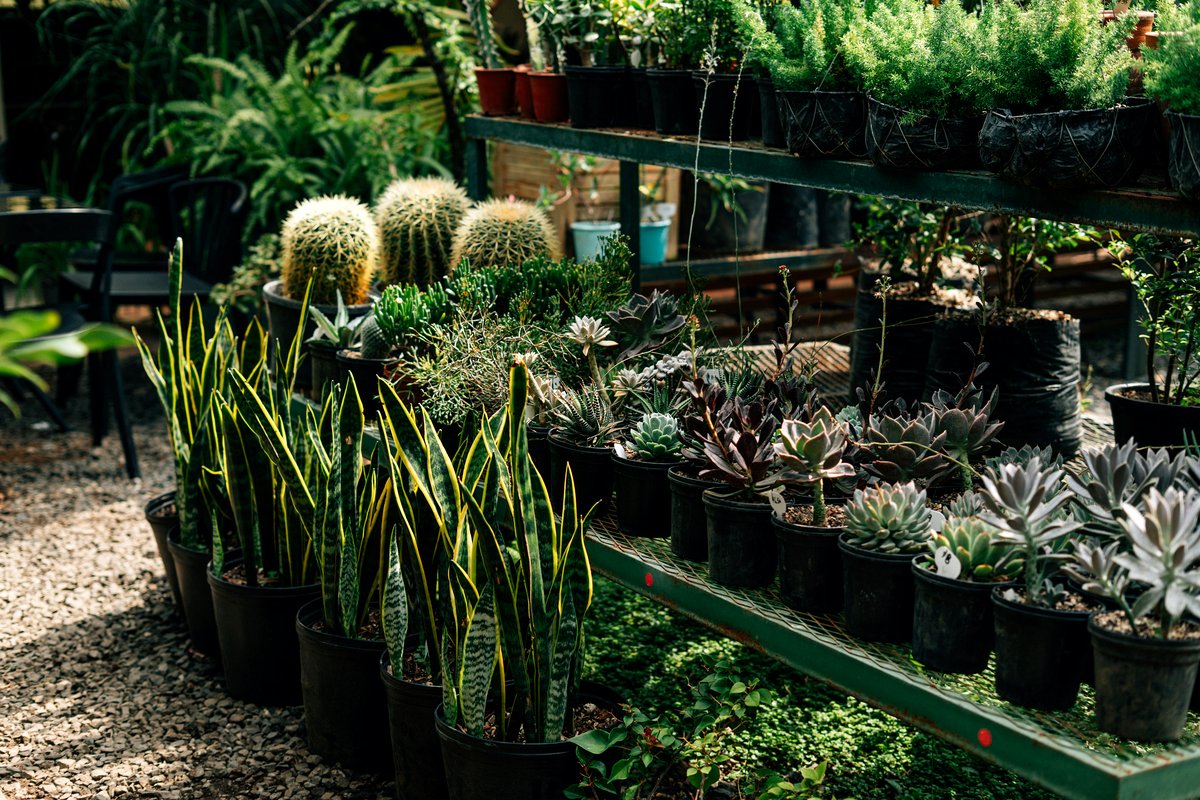
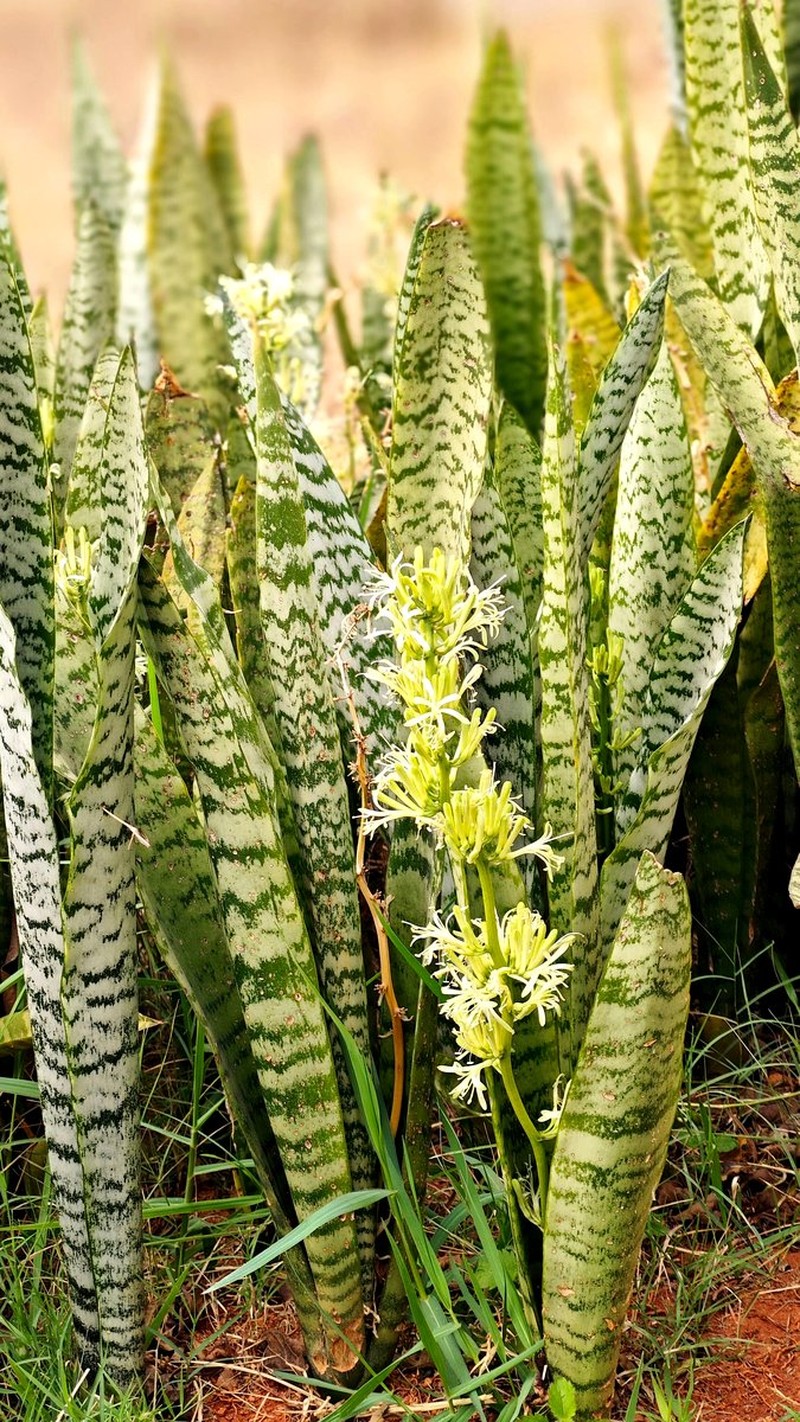
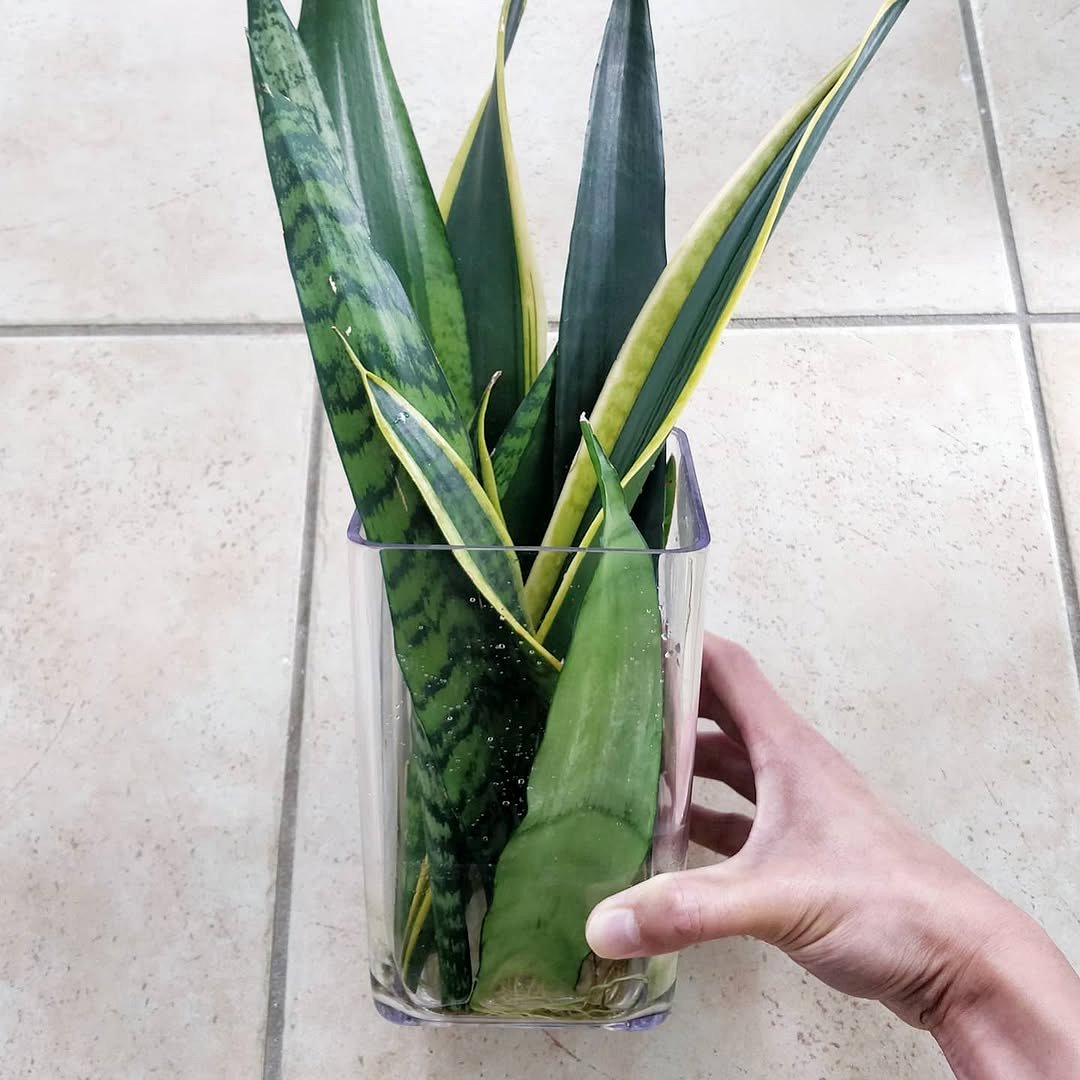
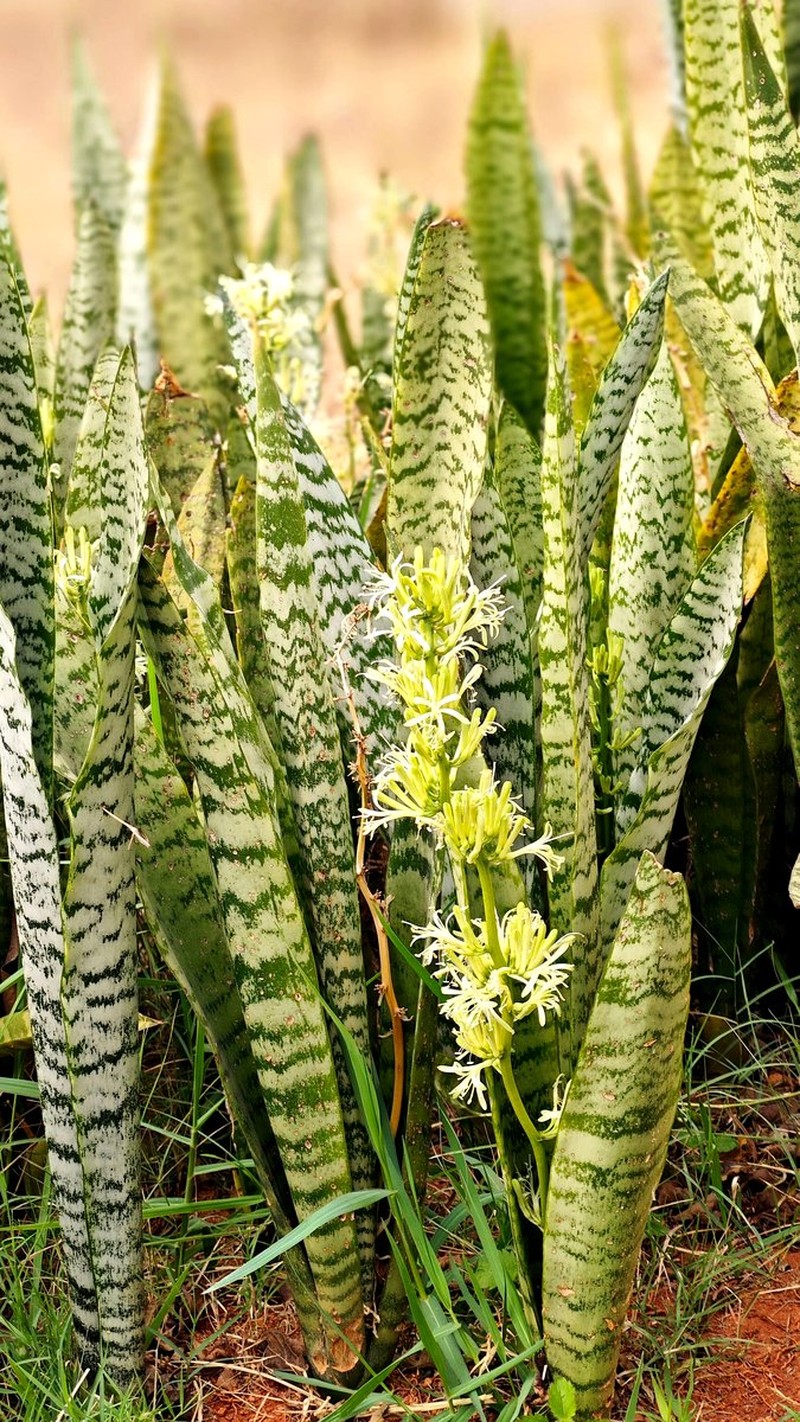
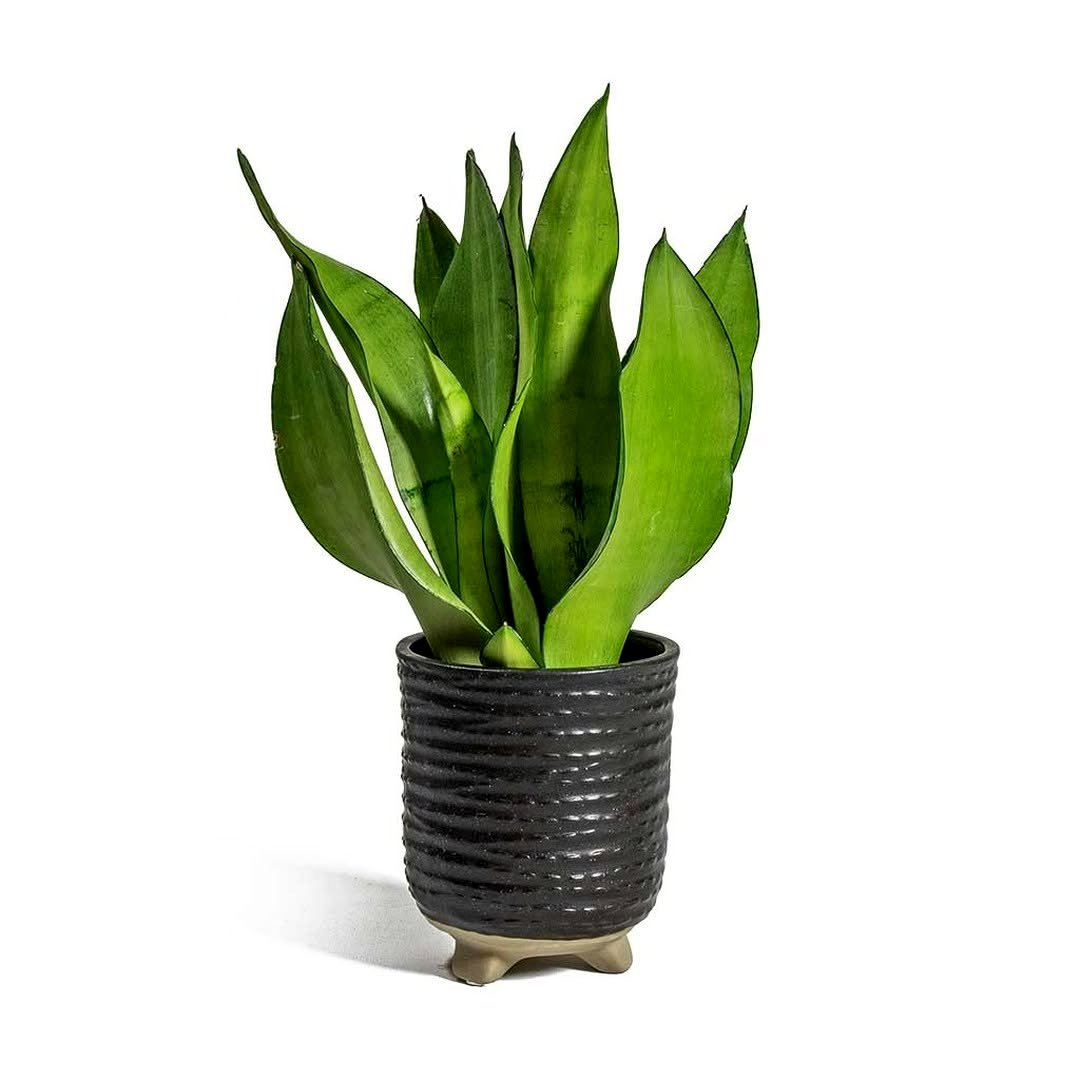
Snake plants come in a variety of species, each with unique leaf patterns and colors. Popular choices include the Sansevieria trifasciata ‘Laurentii’ with its yellow-edged leaves and the compact Sansevieria ‘Hahnii’. When selecting your plant, consider your space and aesthetic preferences. Most varieties are equally hardy and require similar care, so you can’t go wrong!
2. Ideal Lighting Conditions
Source: Instagram
Snake plants thrive in indirect sunlight but are surprisingly adaptable. While they can tolerate low light, they grow best with bright, filtered light. Avoid placing them in direct sunlight, which can scorch their leaves. If your space has limited natural light, consider supplementing with a grow light to keep your plant happy.
3. Perfect Potting Soil
Source: Instagram
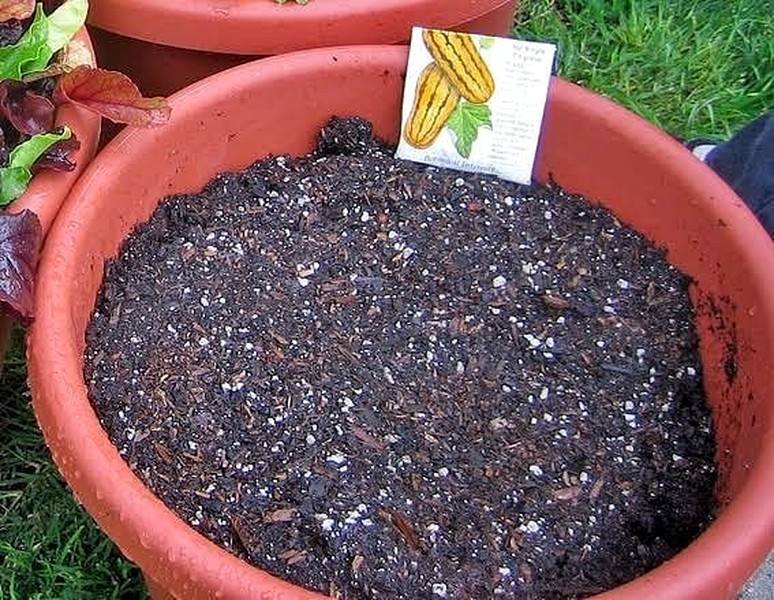
Well-draining soil is crucial for snake plants to prevent root rot. Use a cactus or succulent potting mix, which typically contains sand or perlite for better drainage. If you prefer DIY, mix regular potting soil with sand or perlite in equal parts. This ensures your plant gets the drainage it needs to thrive.
4. Watering Wisely
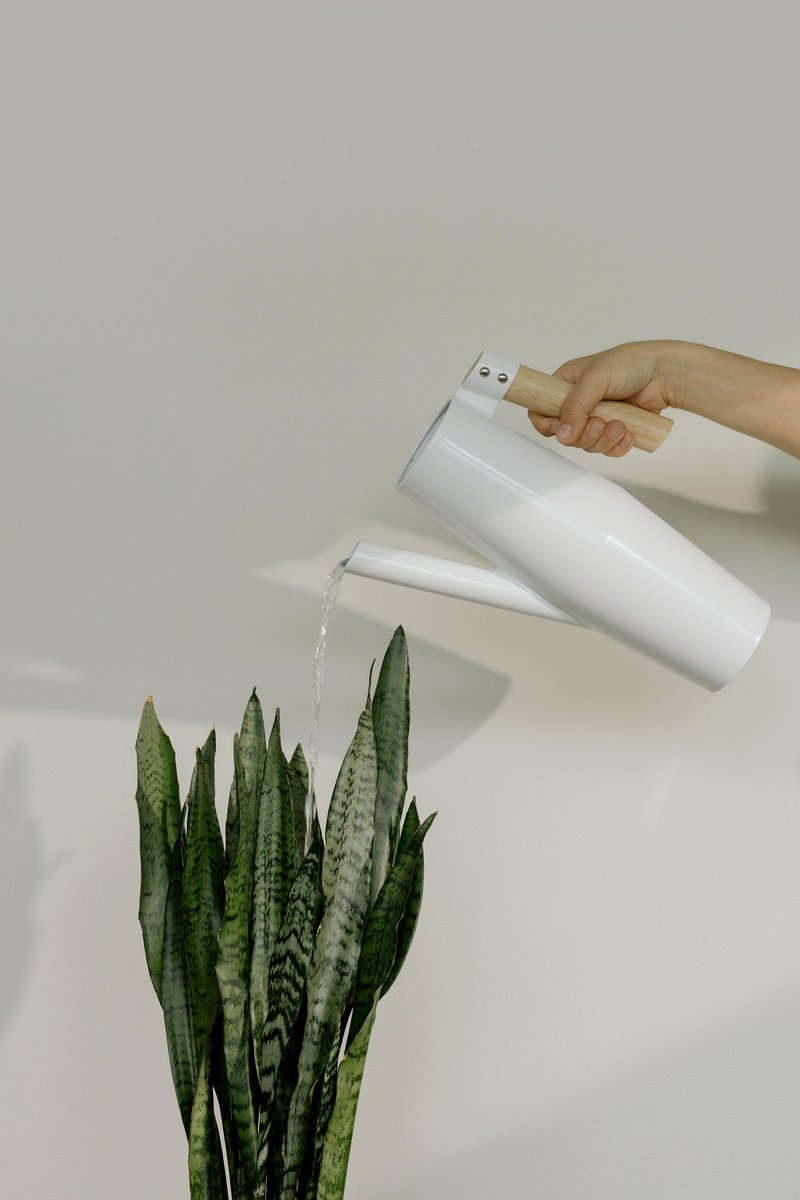
Overwatering is the most common mistake with snake plants. Let the soil dry out completely between waterings, typically every 2-6 weeks depending on the season and humidity. When in doubt, underwater rather than overwater. Remember, it’s better to keep your plant dry than soggy.
5. Temperature and Humidity Needs
Source: Instagram
Snake plants are not picky about temperature, thriving between 60-85°F (15-29°C). They prefer drier air, making them perfect for typical indoor environments. Avoid placing them in areas with sudden temperature changes or drafts, such as near doors or windows.
6. Fertilization Fundamentals
Source: Instagram
Snake plants require minimal fertilization. Feed them with a balanced liquid fertilizer diluted to half strength every 4-6 weeks during the growing season (spring and summer). Avoid fertilizing in the fall and winter when the plant’s growth naturally slows down.
7. Repotting Routine
Snake plants grow slowly and generally need repotting every 2-3 years. Choose a pot one size larger when roots start to outgrow the current container. Repot in the spring, and ensure the new pot has drainage holes to prevent waterlogging.
8. Pruning Perfection
Source: Instagram
While snake plants require little pruning, trimming damaged or dead leaves keeps them looking their best. Use clean, sharp pruning shears to cut leaves at the base. Pruning also encourages new growth and keeps your plant healthy.
9. Pest Prevention
Source: Instagram
Snake plants are resistant to most pests, but they can occasionally attract spider mites or mealybugs. Combat these with a gentle spray of neem oil or insecticidal soap. Regularly inspect your plant and maintain cleanliness to prevent infestations.
10. Managing Overgrowth
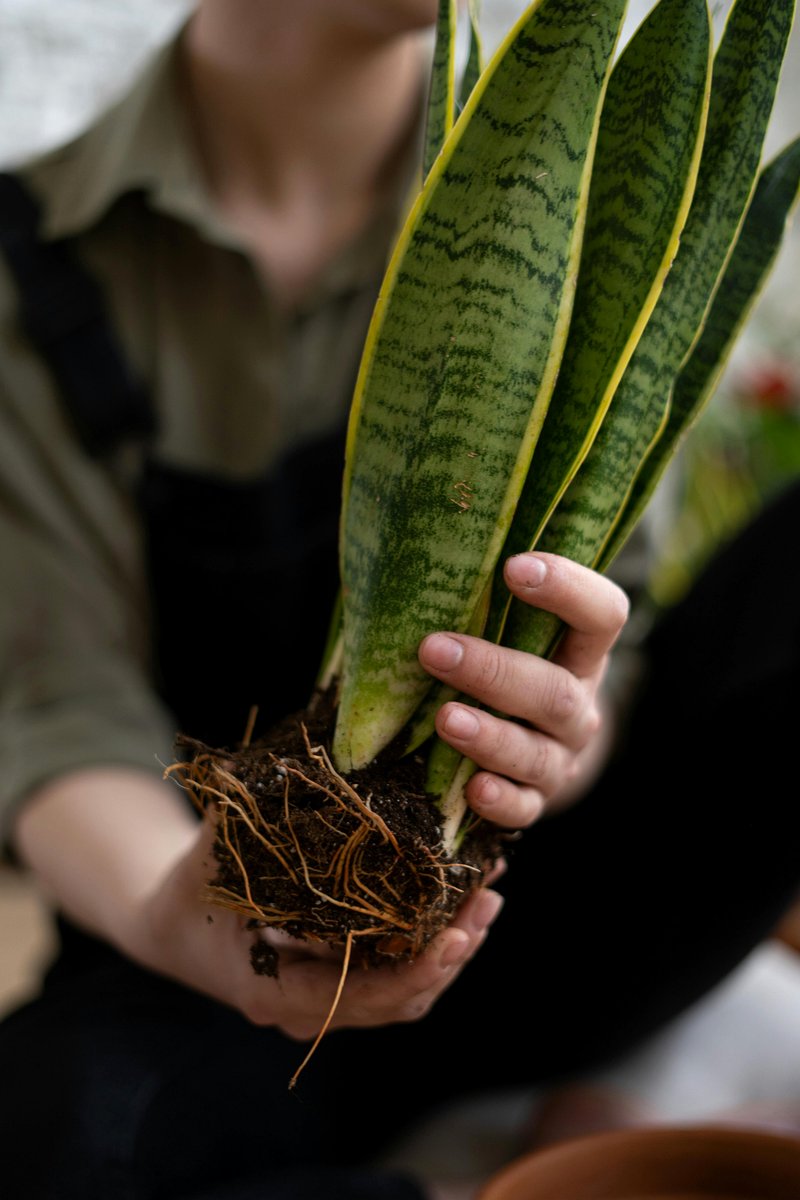
If your snake plant becomes too crowded, it’s time to divide it. Gently remove the plant from its pot, separate the roots, and replant in new containers. This not only manages size but also promotes healthier growth.
11. Creative Plant Styling
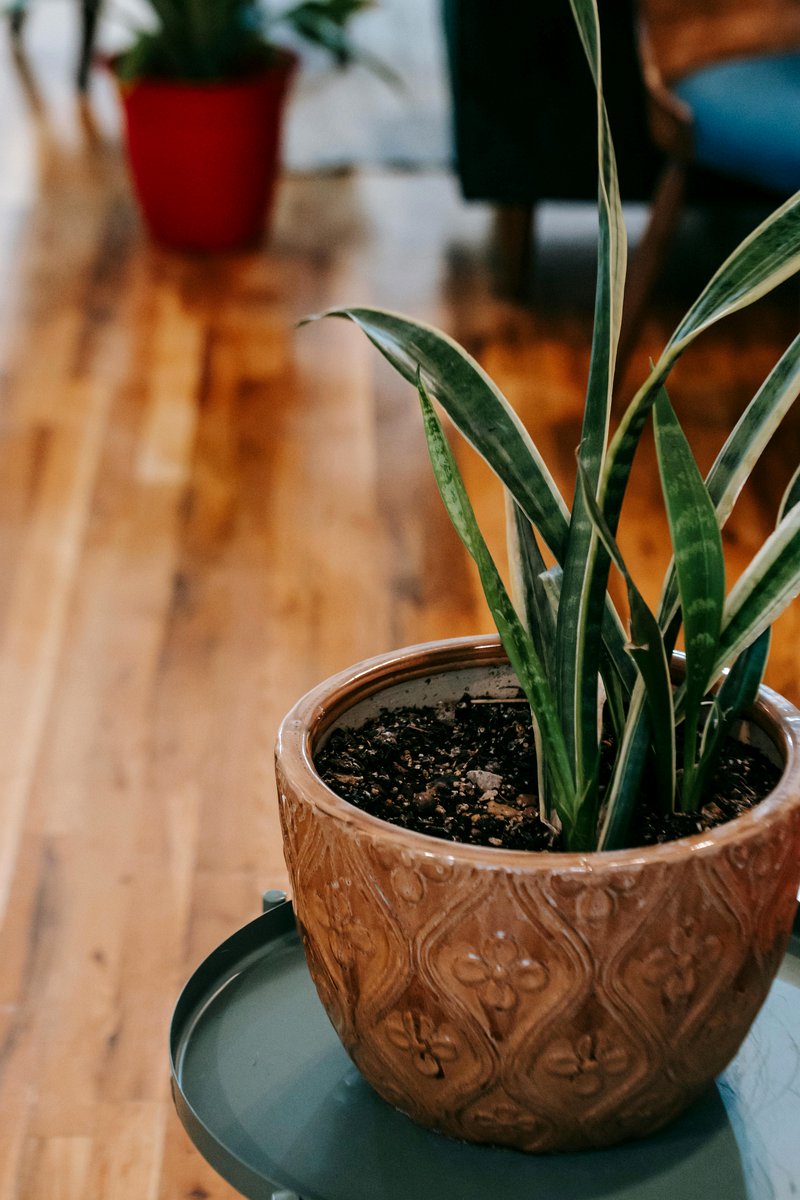
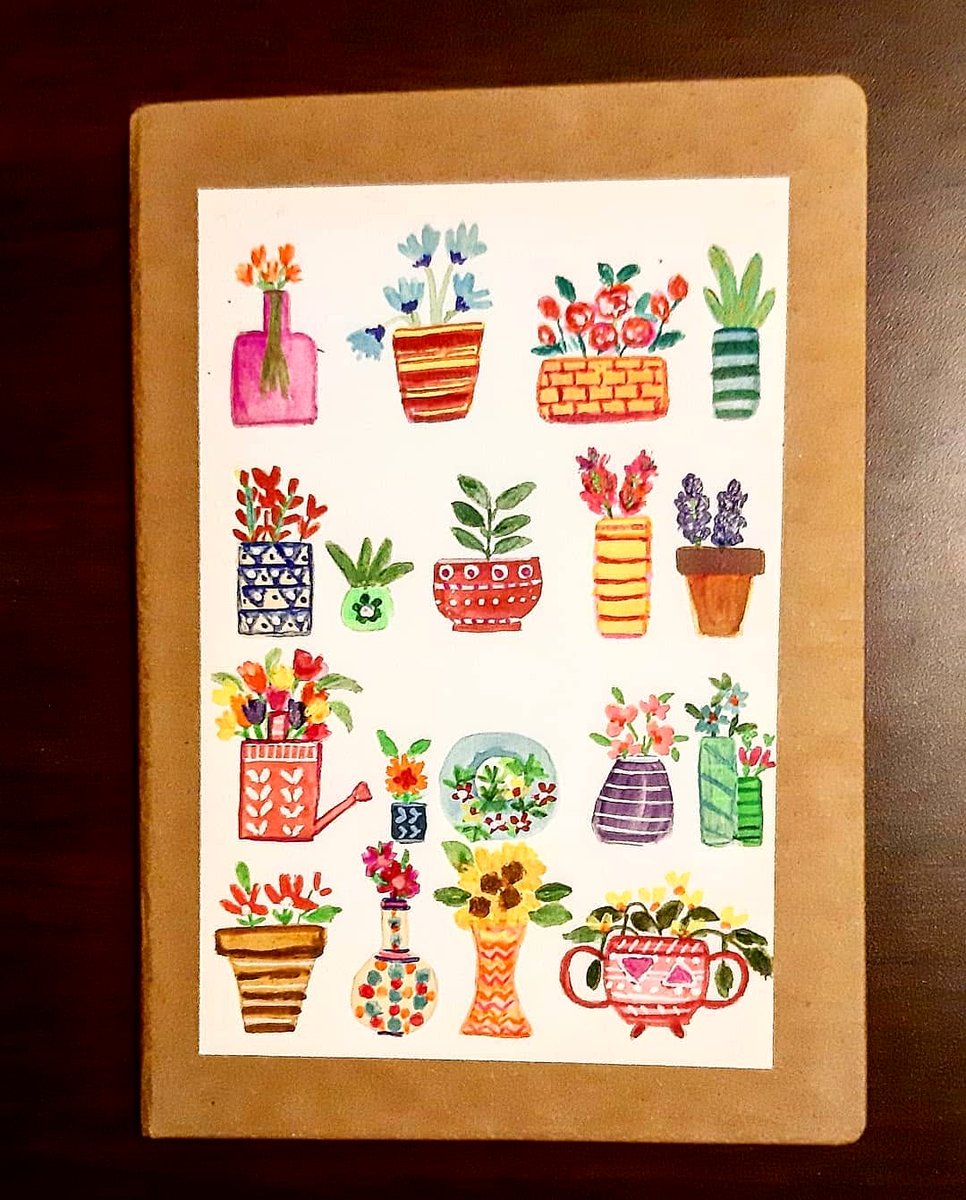
Snake plants are versatile in design. Pair them with decorative pots to match your decor, or group them with other plants for a lush indoor garden. Their tall, architectural form adds a modern touch to any room.
12. Seasonal Care Tips
Source: Instagram
Adjust your snake plant care according to the seasons. In winter, reduce watering and stop fertilizing as the plant enters dormancy. In summer, ensure it’s not exposed to harsh sunlight and maintain regular watering.
13. Understanding Toxicity
Source: Instagram
While snake plants are safe for adults, they can be toxic to pets if ingested. Keep them out of reach of curious pets to prevent any issues. If you suspect ingestion, contact a veterinarian immediately.
14. Propagation Possibilities
Propagating snake plants is easy through leaf cuttings or division. Cut a healthy leaf, let it callous over, then plant it in soil. Alternatively, divide the root ball and pot sections separately. Enjoy growing your snake plant collection!
15. Dealing with Common Problems
Source: Instagram
Yellowing leaves often indicate overwatering or poor drainage. Check your soil and adjust your watering schedule. If leaves are drooping, ensure your plant is getting enough light. Addressing these issues early keeps your plant thriving.
16. Benefits of Snake Plants
Source: Instagram
Beyond aesthetics, snake plants purify the air by removing toxins like formaldehyde. They also release oxygen at night, making them ideal for bedrooms. Enjoy cleaner air and a healthier environment with this multifunctional plant.
17. Embracing Patience
Source: Instagram
Remember, patience is key in plant care. Snake plants are slow growers, but their resilience makes them worth the wait. Enjoy the process and watch your plant flourish with minimal effort.
Final Thoughts
Snake plants are a fantastic choice for anyone looking to enhance their home with minimal effort. By following this care guide, you’ll ensure your plant remains a vibrant and healthy addition to any space. Remember, each plant has its unique personality, so observe its needs and adapt accordingly. Whether you’re a seasoned plant parent or just starting your green journey, let the snake plant be your guide to a thriving indoor garden. Share your plant success stories and inspire others to embrace the beauty of low-maintenance greenery!