Fiddle Leaf Figs have taken the indoor plant world by storm, becoming a favorite among plant enthusiasts and interior designers alike. Known for their large, vibrant leaves, these tropical beauties can transform any space into a lush, green oasis. However, keeping your Fiddle Leaf Fig healthy and happy requires some knowledge and care. Whether you’re a seasoned plant parent or a budding botanist, this comprehensive guide will help you nurture your Fiddle Leaf Fig to its full potential. Let’s dive into these 17 essential tips that will ensure your plant thrives in any environment.
1. Choosing the Right Location
Source: Instagram
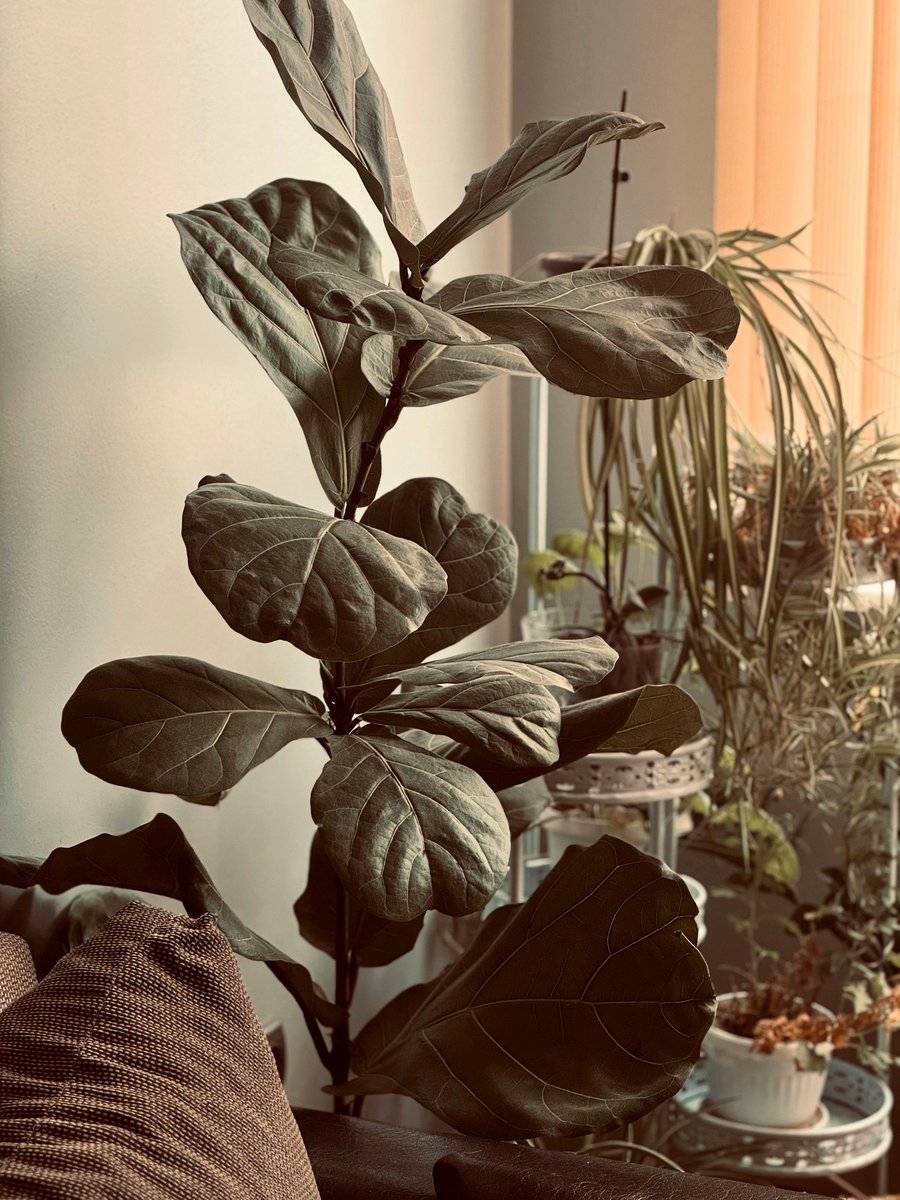
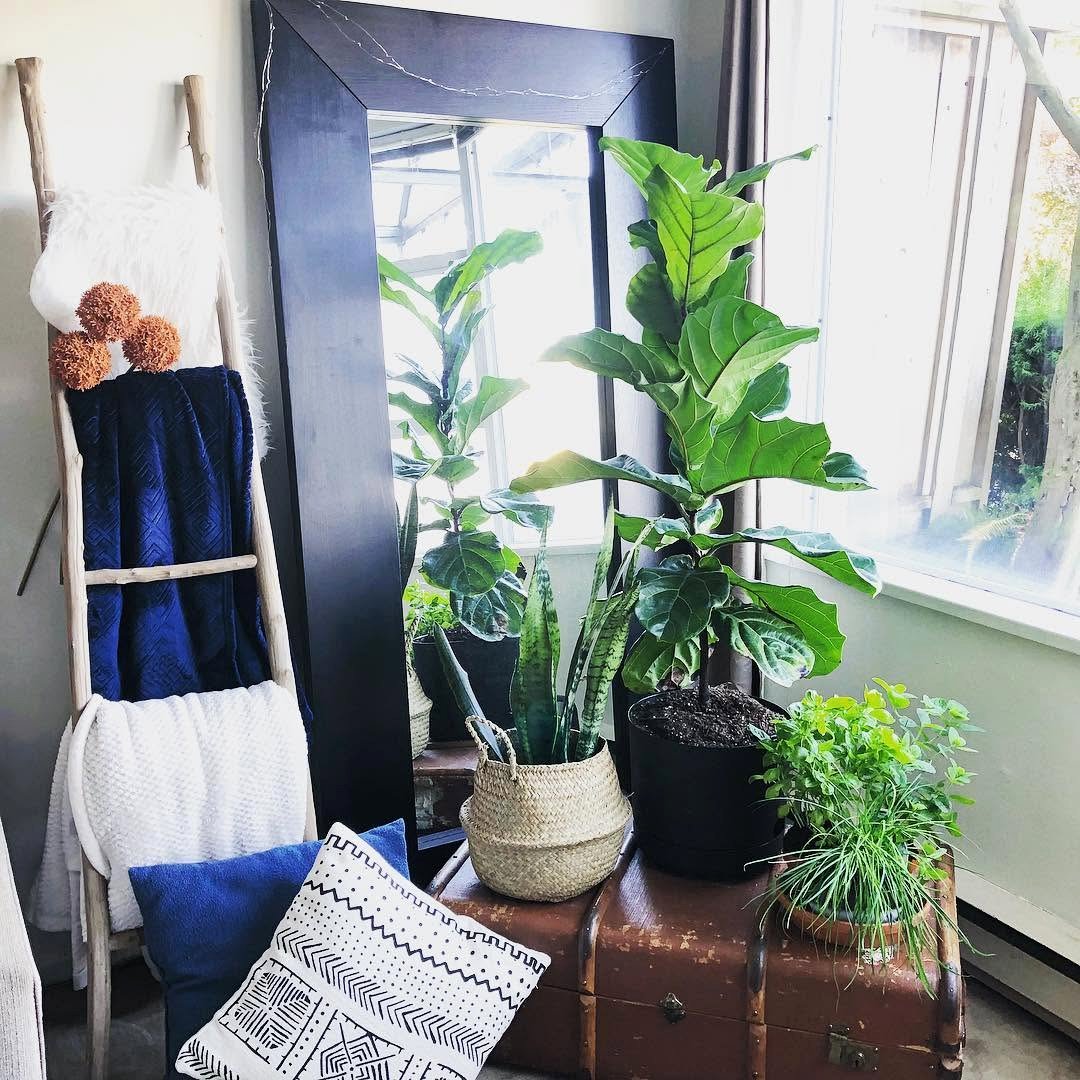
Place your Fiddle Leaf Fig in a spot that receives plenty of bright, indirect sunlight. These plants love light but can get scorched by direct sun. A spot near a sunny window with filtered light is ideal. If your home lacks natural light, consider using a grow light to supplement. Remember, the location should also be free from drafts and sudden temperature changes, as these can stress your plant.
2. Mastering the Art of Watering
Source: Instagram
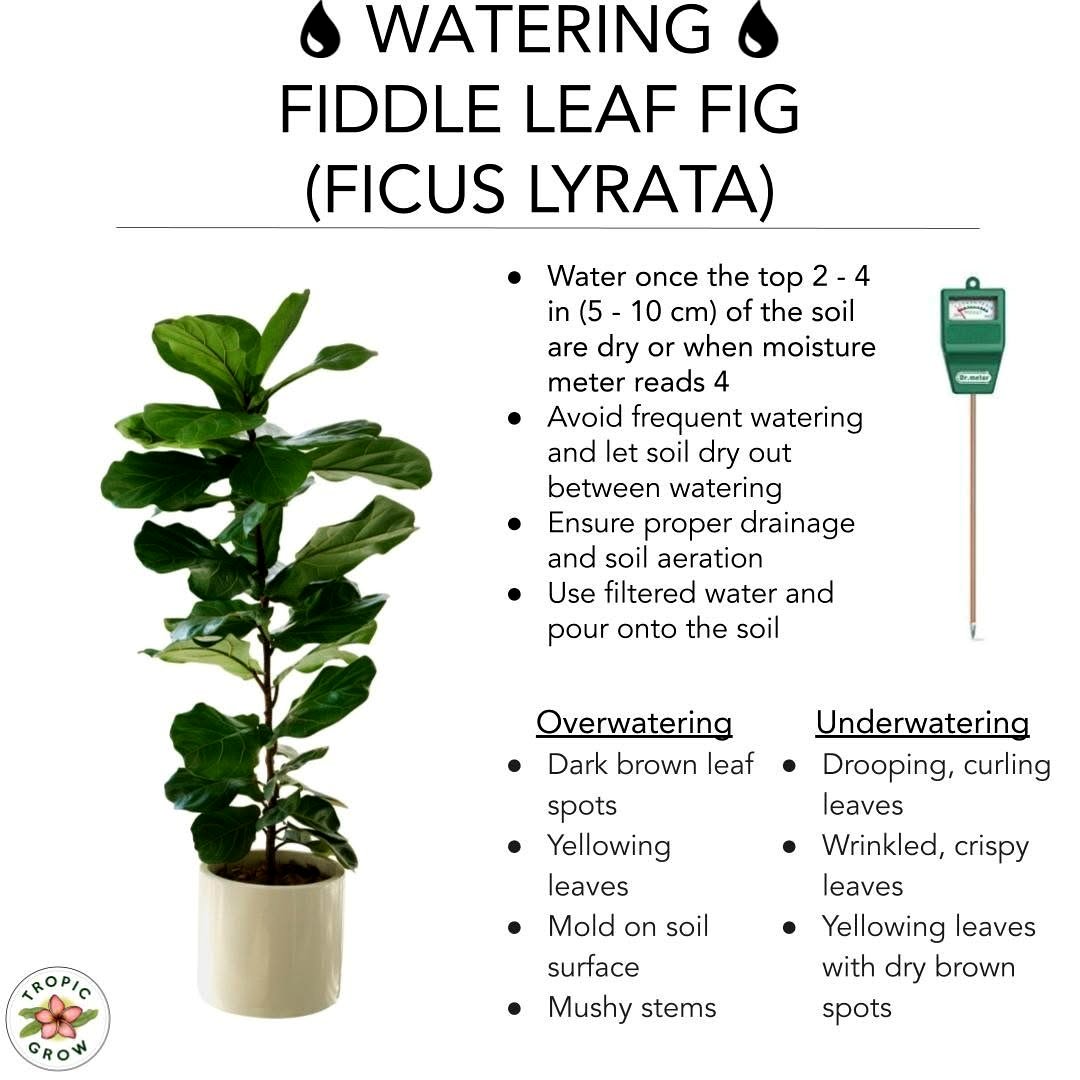
Watering is crucial for your Fiddle Leaf Fig’s health. The soil should be kept consistently moist but not soggy. Check the top inch of the soil; if it’s dry, it’s time to water. Use room-temperature water and ensure excess water drains out to prevent root rot. Over-watering is a common mistake, so err on the side of caution and let the soil dry out slightly between waterings.
3. Understanding Humidity Needs
Source: Instagram
Fiddle Leaf Figs thrive in high humidity environments. If your home has dry air, particularly in winter, consider using a humidifier to boost moisture levels. Alternatively, mist your plant regularly or place a tray of water nearby. High humidity helps mimic their natural tropical habitat, promoting lush, healthy growth.
4. Soil Selection for Success
Source: Instagram
Choose a well-draining potting mix for your Fiddle Leaf Fig. A blend designed for indoor plants, often with peat, perlite, and pine bark, will work perfectly. Good drainage is vital to prevent root rot, so make sure your pot has drainage holes. If repotting, select a container slightly larger than the current one to give roots room to grow.
5. Fertilizing for Foliage
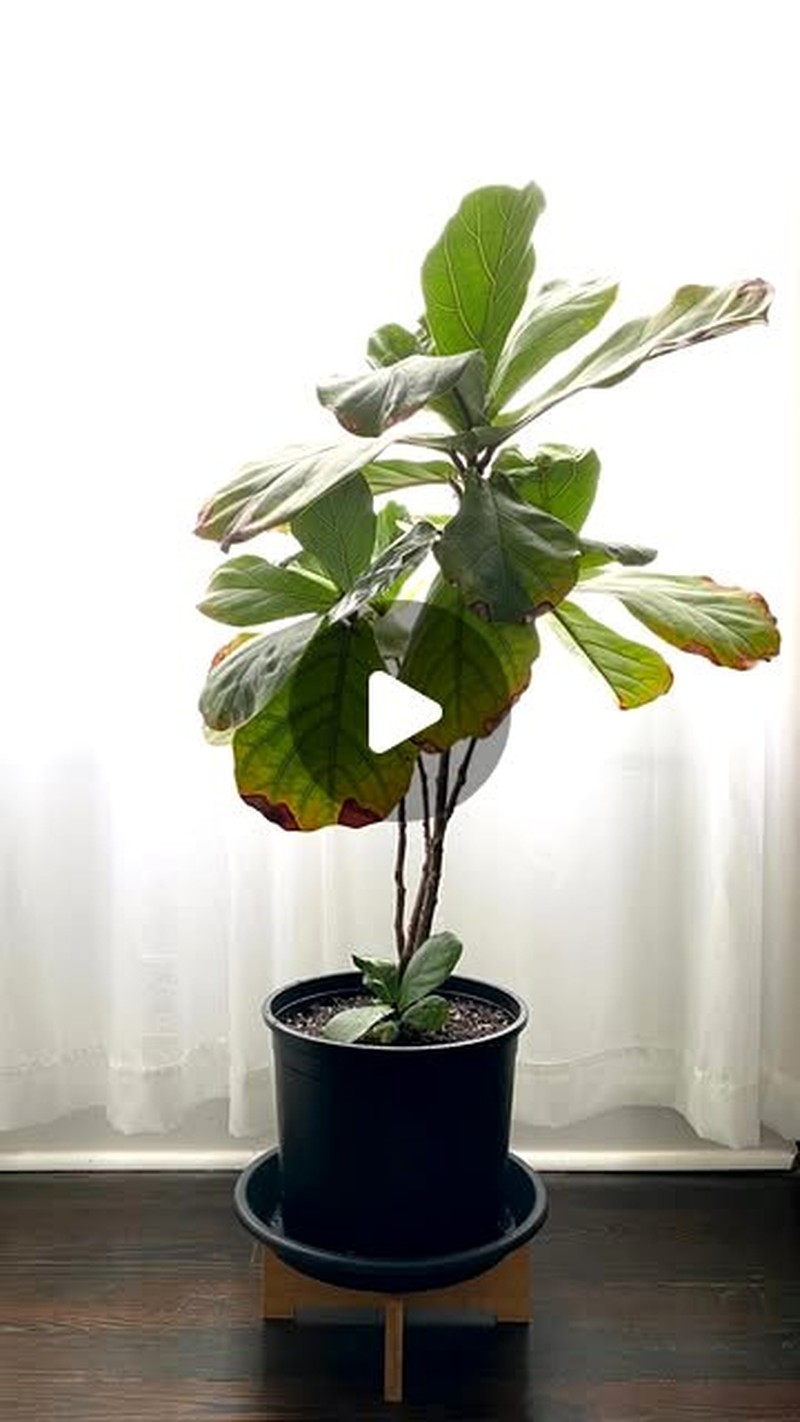
Feed your Fiddle Leaf Fig with a balanced, water-soluble fertilizer during the growing season, typically from spring to early autumn. Fertilize every four to six weeks to provide essential nutrients. Be cautious not to over-fertilize, as this can damage the roots. In winter, reduce feeding as growth slows down.
6. Pruning for Health and Shape
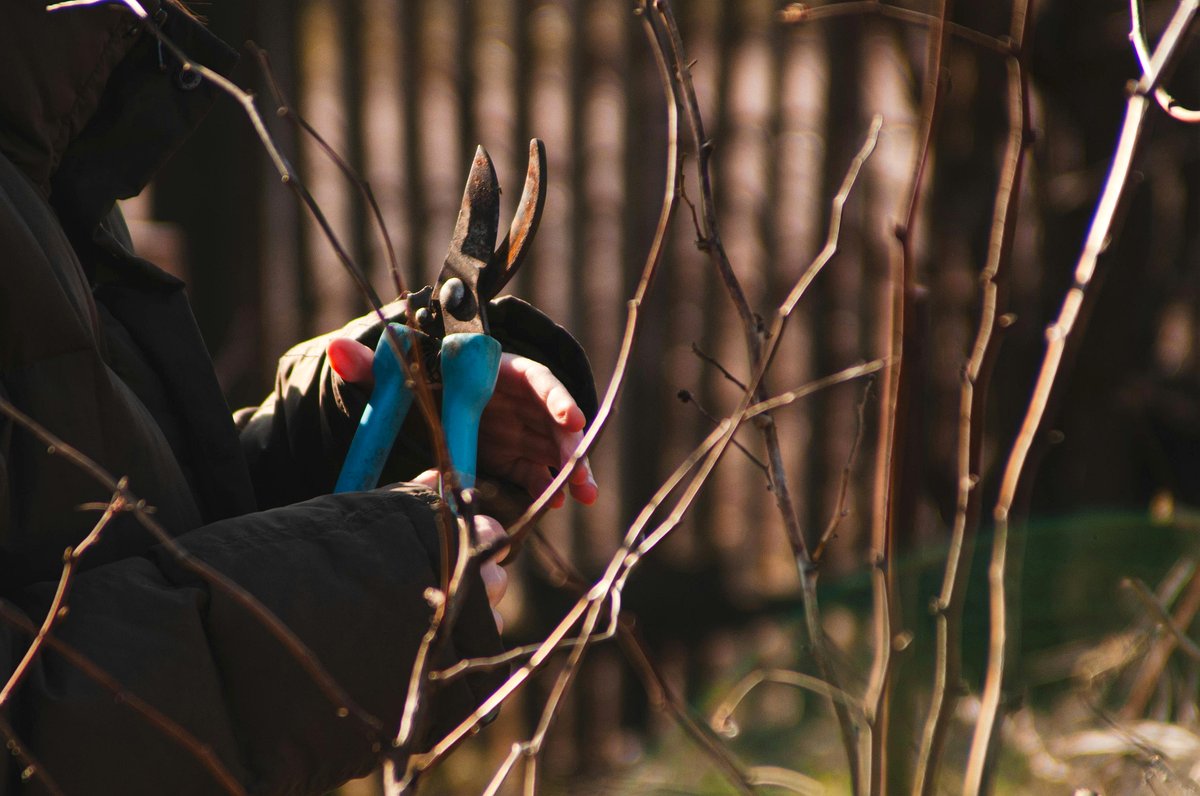
Regular pruning helps maintain the shape and health of your Fiddle Leaf Fig. Trim away any yellow, damaged, or overly crowded leaves. This not only improves airflow but also encourages new growth. Use clean, sharp pruning shears to make precise cuts, promoting healing and reducing stress on the plant.
7. Repotting Techniques
Source: Instagram
Repot your Fiddle Leaf Fig every one to two years, or when you notice roots emerging from the pot’s drainage holes. Choose a pot one size larger and gently loosen the root ball before placing it in fresh soil. Repotting refreshes the plant’s growing medium and gives it room to expand.
8. Pest Prevention and Management
Keep an eye out for common pests like spider mites, mealybugs, and aphids. Regularly inspect the undersides of leaves and stems. If pests are present, treat your plant with insecticidal soap or neem oil. Maintaining good plant hygiene and removing debris can also deter pest infestations.
9. Temperature Tolerance
Fiddle Leaf Figs prefer warm temperatures between 60-75°F (15-24°C). Avoid placing them near air conditioners, heaters, or drafty windows. Sudden temperature fluctuations can lead to leaf drop or other stress signs. Keeping a stable environment will help your plant flourish.
10. Seasonal Care Adjustments
Source: Instagram
Adjust your care routine as the seasons change. In winter, your Fiddle Leaf Fig will need less water and fertilizer. As spring arrives, gradually increase watering and resume fertilizing. Seasonal adjustments ensure your plant remains healthy year-round, adapting to its changing environment.
11. Cleaning the Leaves
Dust can accumulate on the large leaves of a Fiddle Leaf Fig, reducing its ability to photosynthesize. Gently wipe the leaves with a damp cloth every few weeks. This not only keeps them shiny and dust-free but also allows you to inspect the plant for pests or disease.
12. Propagation Possibilities
Source: Instagram
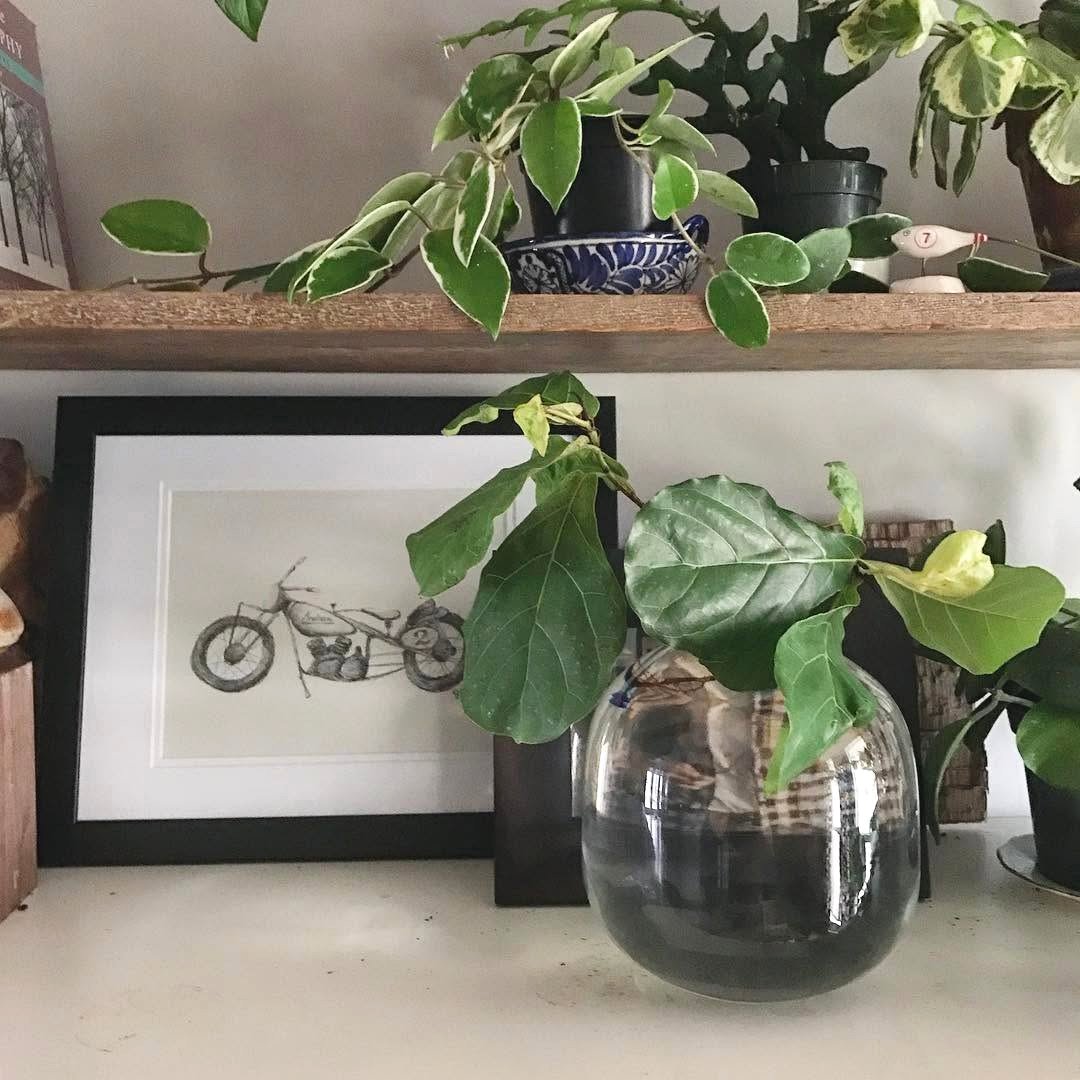
Propagating your Fiddle Leaf Fig is a rewarding way to expand your plant collection. Cut a healthy stem with at least one leaf and place it in water or moist soil. Roots should begin to form in a few weeks. This simple method allows you to share the joy of Fiddle Leaf Figs with friends and family.
13. Recognizing and Treating Leaf Drop
Source: Instagram
Leaf drop can occur due to over-watering, under-watering, or sudden environmental changes. If you notice leaves falling, evaluate your care routine and make necessary adjustments. Consistent care and a stable environment are key to preventing leaf drop and maintaining a vibrant plant.
14. Managing Leaf Browning
Brown leaf edges can indicate problems like low humidity or inconsistent watering. Increase humidity levels and ensure even watering to prevent browning. Trim away damaged edges to encourage new growth. Keeping a close eye on your plant’s health will help you catch issues early.
15. Encouraging New Growth
Source: Instagram
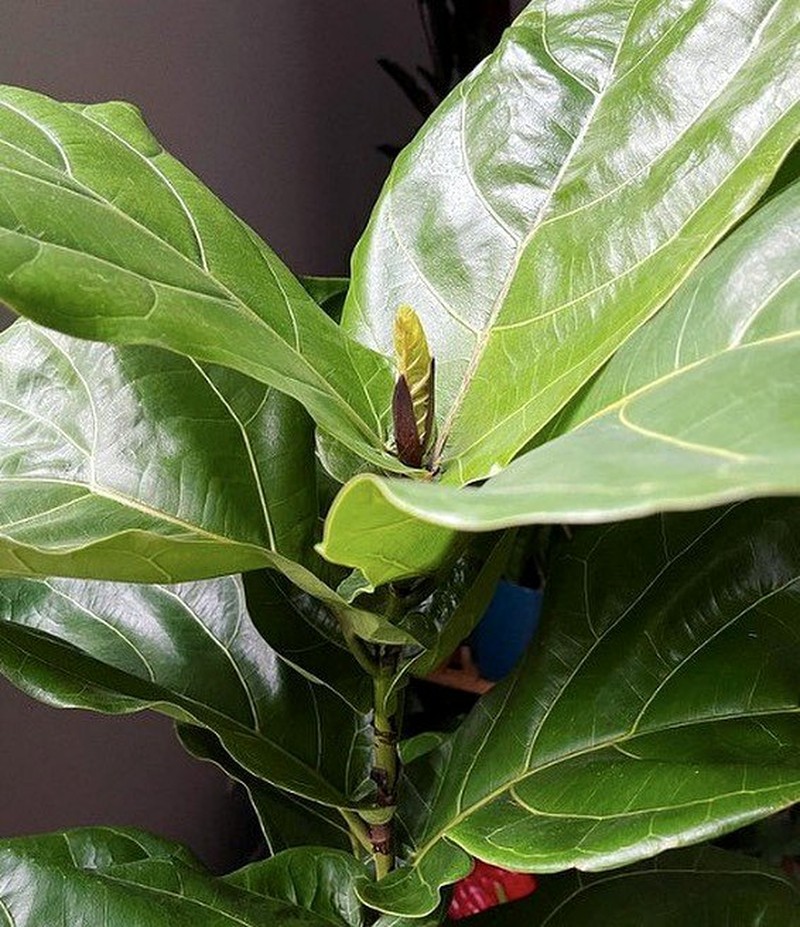
To stimulate new growth, occasionally rotate your Fiddle Leaf Fig to ensure even light exposure on all sides. Proper fertilizing and pruning also encourage new leaf development. With the right care, your plant will reward you with lush, vibrant foliage.
16. Understanding Signs of Stress
Source: Instagram
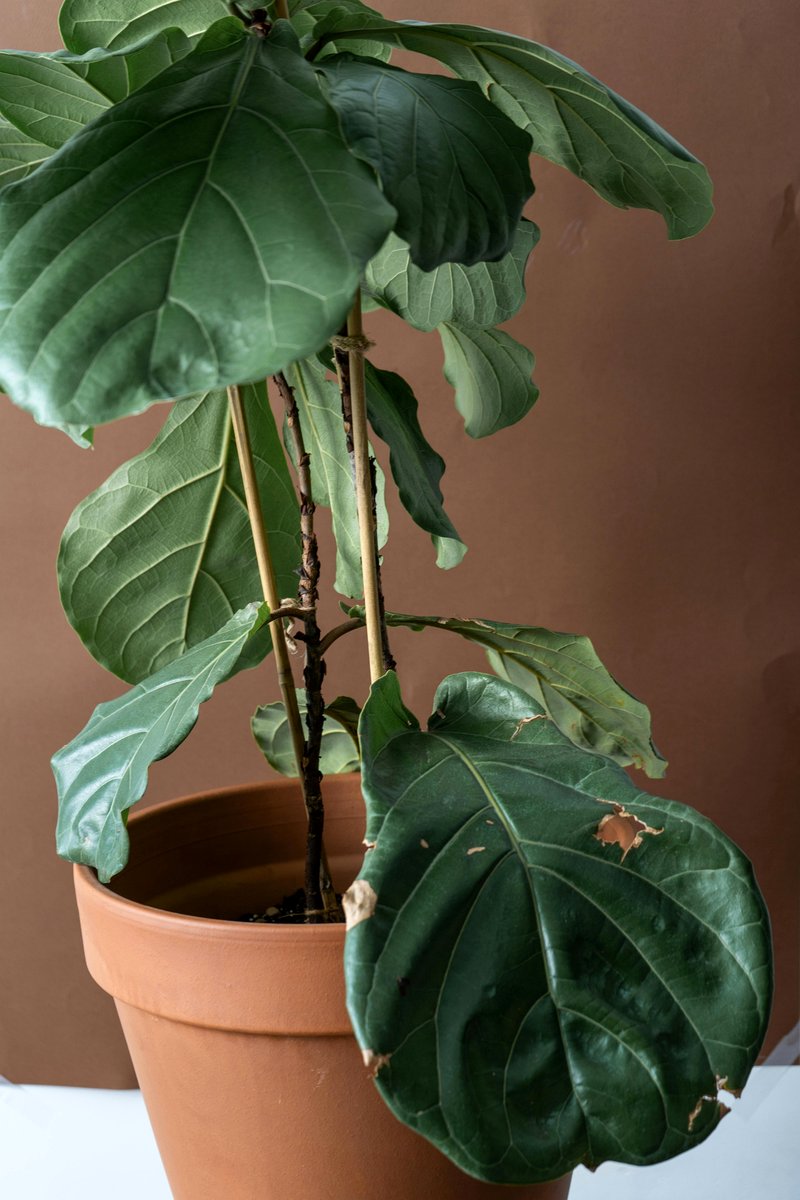
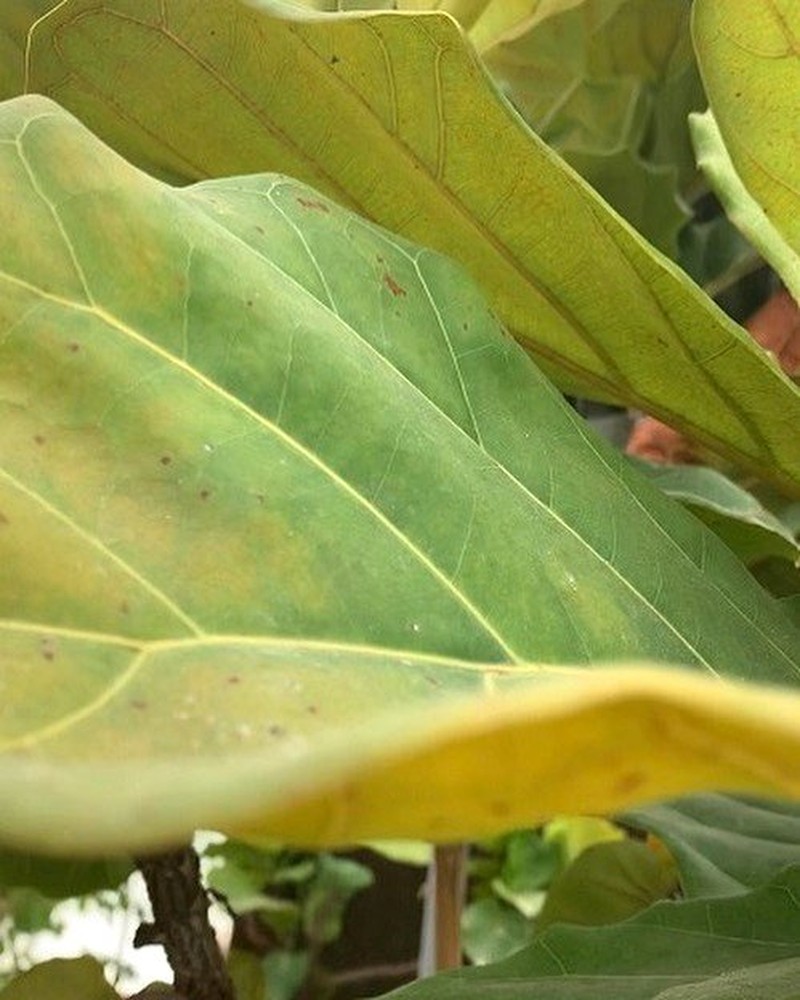
Yellow leaves or stunted growth are signs of stress. Assess your plant’s environment and care routine for potential issues. Adjust watering, light exposure, and check for pests. Promptly addressing stress signals will help restore your plant to health.
17. Creating an Ideal Environment
Source: Instagram
Your Fiddle Leaf Fig will thrive in an environment that mimics its natural habitat. Ensure ample light, appropriate humidity, and stable temperatures. Tailor your care routine to meet the plant’s changing needs and enjoy a flourishing, beautiful addition to your home.
Final Thoughts
Caring for a Fiddle Leaf Fig can be a rewarding experience that brings a touch of nature into your home. By following these 17 essential tips, you’ll help your plant thrive and enhance your living space. Remember, patience and observation are key to understanding what your plant needs. As you become more attuned to its signals, you’ll create a harmonious environment where your Fiddle Leaf Fig can grow and flourish. Embrace the journey, and enjoy the beauty these majestic plants bring to your life.