Introduction
If you’re searching for a resilient plant that adds both style and fresh air to your space, look no further than the snake plant. Known for its sword-like leaves and air-purifying properties, this hardy plant is perfect for beginners and seasoned gardeners alike. Did you know that snake plants can thrive in both low light and bright, indirect light conditions? This versatility makes them a top choice for any home or office. In this beginner’s guide, we’ll walk you through everything you need to know to grow and maintain a healthy snake plant, ensuring it thrives in your care.
1. Choosing the Right Variety

Before you start, it’s crucial to select the right snake plant variety for your space. There are several types, such as the Sansevieria trifasciata ‘Laurentii’ with its gold-edged leaves or the compact Sansevieria ‘Hahnii’. Consider your space and aesthetic preferences when choosing. Varieties with shorter leaves are ideal for tabletops, while taller ones can complement an empty corner. Research each type to understand their unique characteristics and how they might fit into your decor.
2. Ideal Pot Selection

Choosing the right pot is essential for your snake plant’s growth. Opt for a pot with drainage holes to prevent waterlogging, which can lead to root rot. Terracotta pots are a great choice as they allow for airflow and moisture evaporation. Make sure the pot size matches your plant’s root system, leaving some room for growth. A snug fit ensures your plant thrives without being overly crowded.
3. Soil Conditions

Snake plants prefer well-draining soil to prevent water from sitting around the roots. A cactus or succulent soil mix works well, often containing sand or perlite to enhance drainage. You can also mix standard potting soil with sand or pumice for a custom blend. Proper soil ensures your snake plant remains healthy and robust, allowing it to absorb nutrients efficiently.
4. Lighting Needs

While snake plants are adaptable, they do have lighting preferences. Place your plant in bright, indirect light for optimal growth. However, they can survive in low-light conditions, making them versatile for various indoor environments. Avoid direct sunlight, which can scorch the leaves. Adjust the plant’s position based on its response to light exposure to find the perfect spot.
5. Watering Schedule
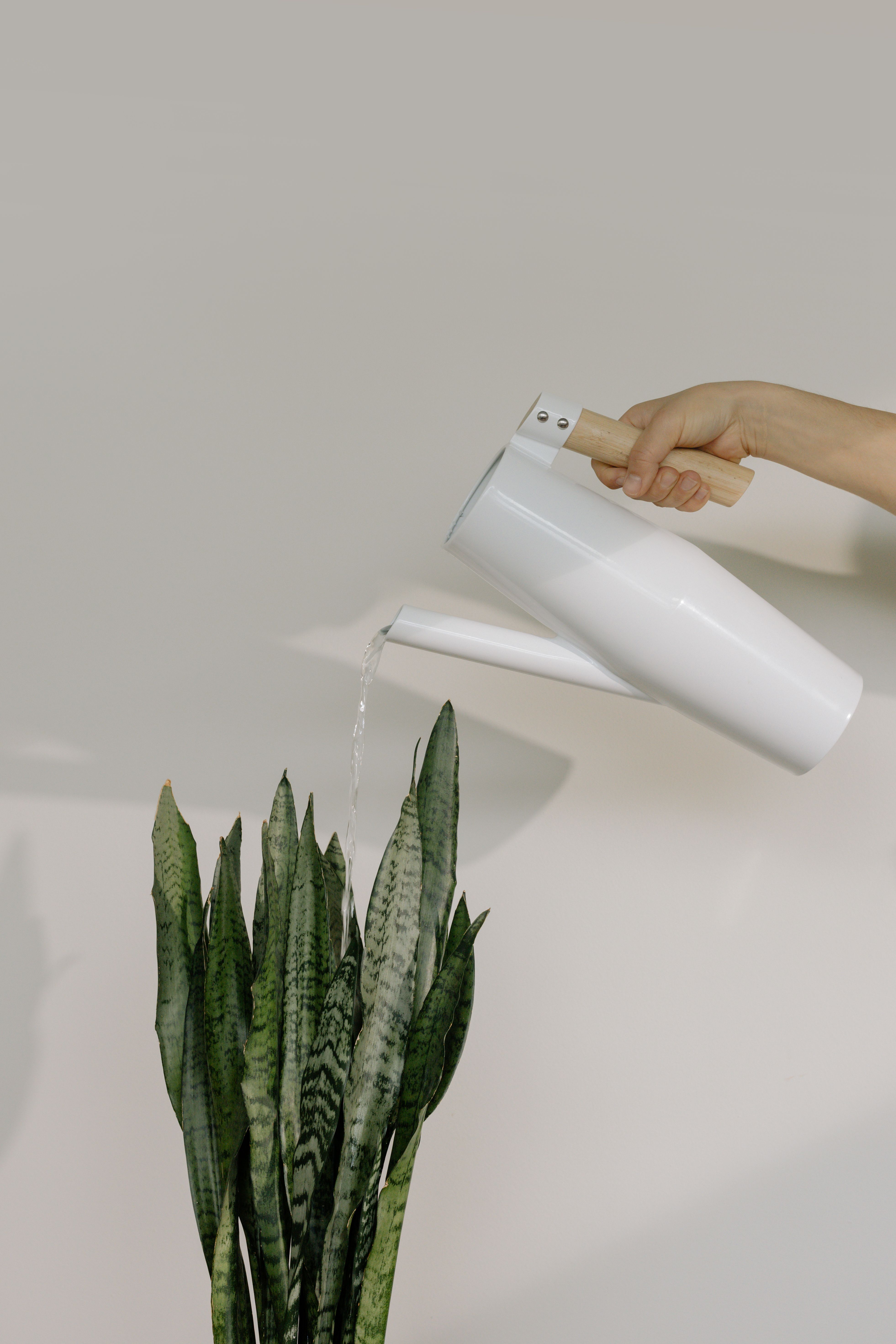
Watering snake plants is simple yet crucial for their health. Allow the soil to dry completely between waterings. Overwatering is a common mistake that can lead to root rot. In general, watering every two to six weeks, depending on the season and humidity, is sufficient. Remember, it’s better to underwater than overwater when it comes to snake plants.
6. Temperature Tolerance

Snake plants are hardy and can thrive in a wide range of temperatures. Ideally, keep them between 60°F to 80°F (15°C to 27°C). They can tolerate cooler temperatures but avoid exposing them to frost. Sudden temperature changes can stress the plant, so maintain a consistent indoor climate for optimal health.
7. Humidity Preferences

These plants prefer moderate humidity levels but can tolerate low humidity environments typically found in homes. If your home is particularly dry, especially in winter, consider using a humidifier. However, avoid placing the plant in overly damp areas like bathrooms, as this can lead to fungal issues.
8. Fertilizing Steps
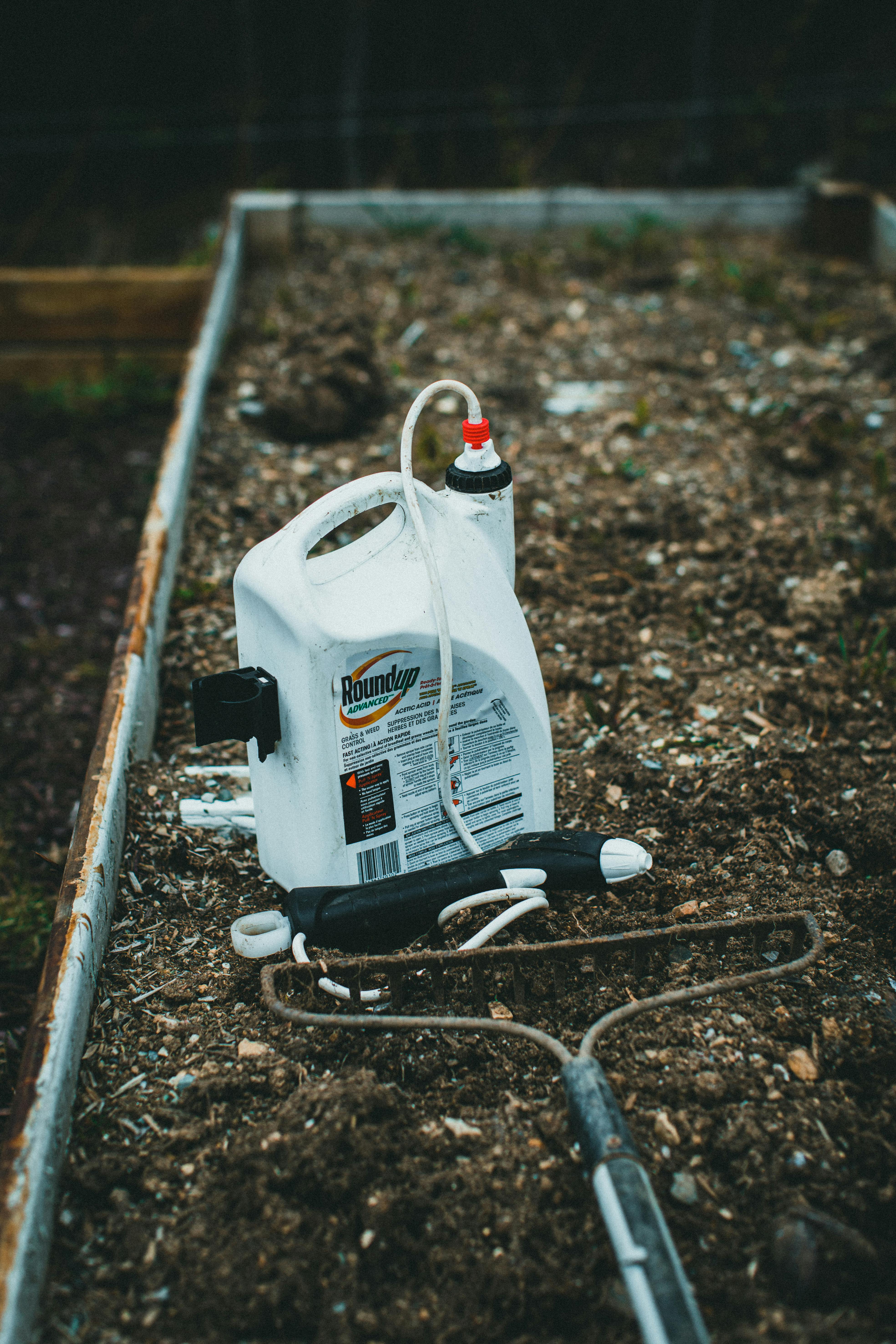
Fertilize your snake plant sparingly. During the growing season in spring and summer, use a balanced liquid fertilizer diluted to half strength once a month. Over-fertilization can harm the plant, so less is more. In the fall and winter, reduce feeding as the plant’s growth slows down naturally.
9. Pruning and Grooming

Occasionally, you’ll need to prune your snake plant to remove dead or damaged leaves. Use clean, sharp pruning shears to make clean cuts near the soil. Regular grooming helps maintain the plant’s health and encourages new growth. Always ensure tools are sanitized to prevent disease transmission.
10. Repotting Techniques

Snake plants typically need repotting every 2-3 years or when they outgrow their pot. Choose a pot one size larger and refresh the soil. Repotting in spring allows the plant to establish itself during the growing season. Gently loosen the roots before planting to promote healthy growth.
11. Common Pests and Solutions
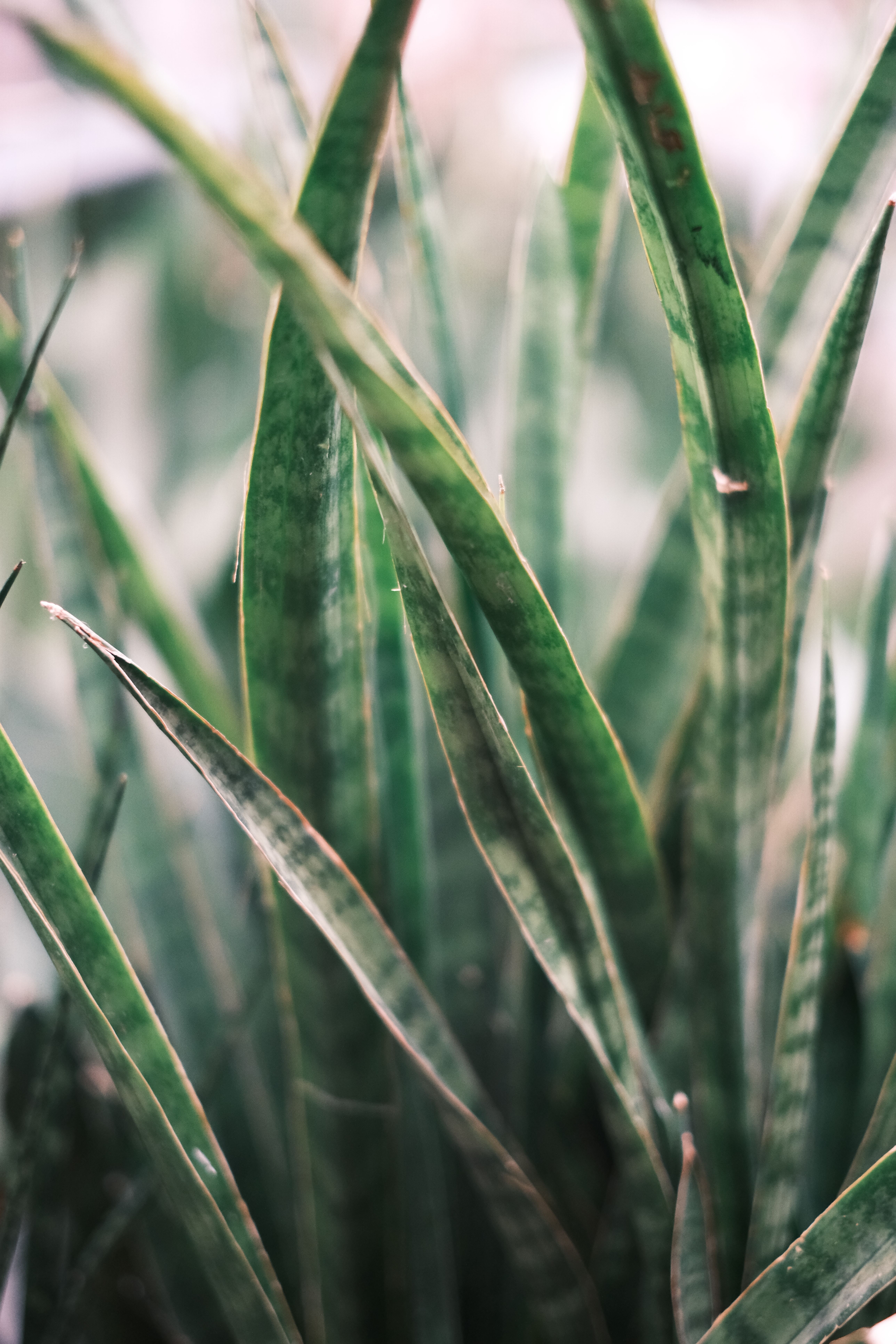
Pests like spider mites and mealybugs can occasionally trouble snake plants. Regularly inspect the leaves for any signs of infestation. If detected, use a mild insecticidal soap or neem oil to treat the plant. Prompt action helps prevent pests from spreading and ensures the plant remains healthy.
12. Disease Prevention

Prevent disease by maintaining proper watering and humidity levels. Root rot is the most common issue, often caused by overwatering. Ensure soil drains well, and remove any affected leaves promptly. Good sanitation practices and monitoring help keep your snake plant thriving without disease complications.
13. Propagation Basics
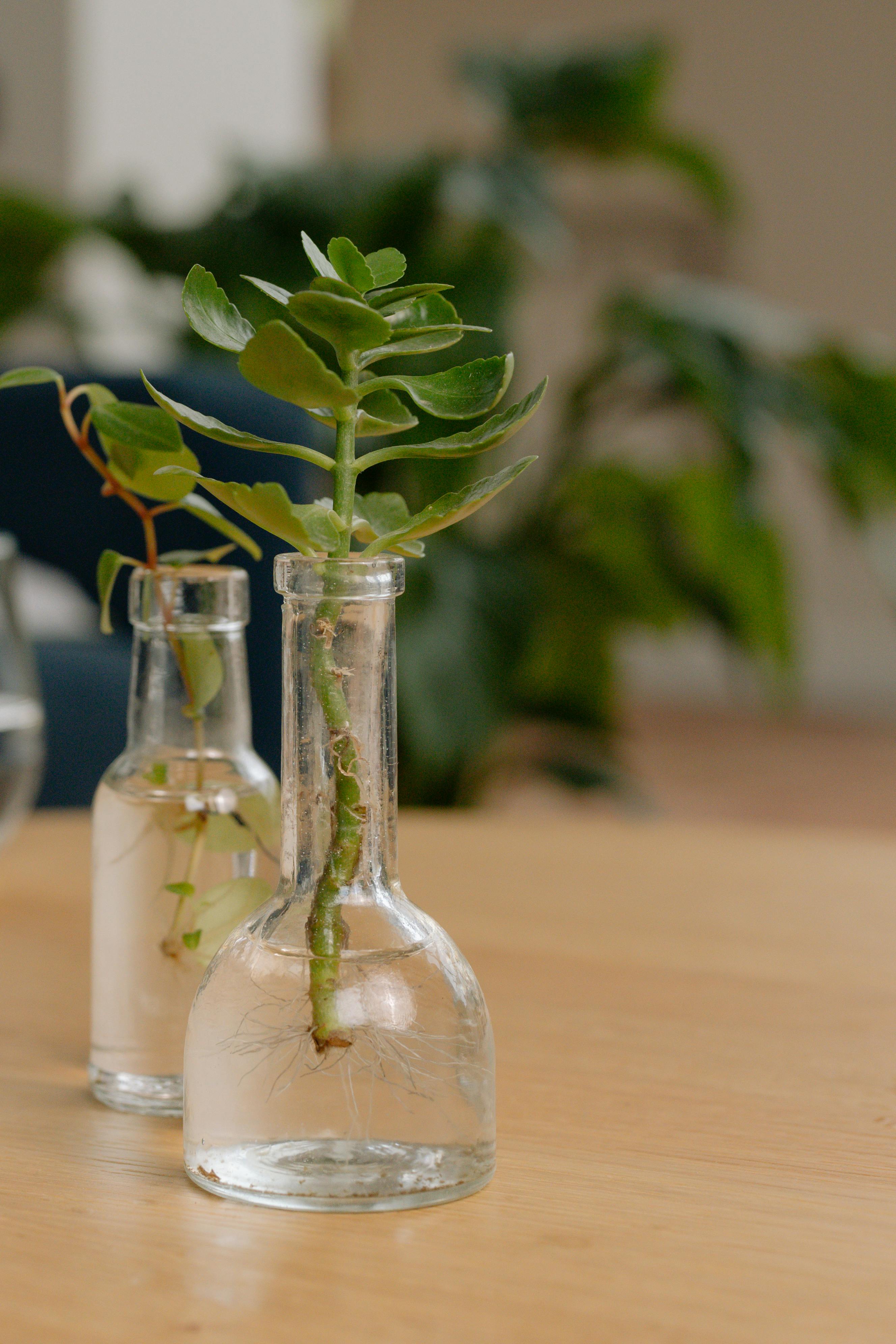
Propagating snake plants is an enjoyable way to expand your collection. Cut a healthy leaf near the base, let it dry for a day, then place it in water or soil. Roots will develop over a few weeks. This method is easy and rewarding, allowing you to gift new plants to friends.
14. Seasonal Care Adjustments
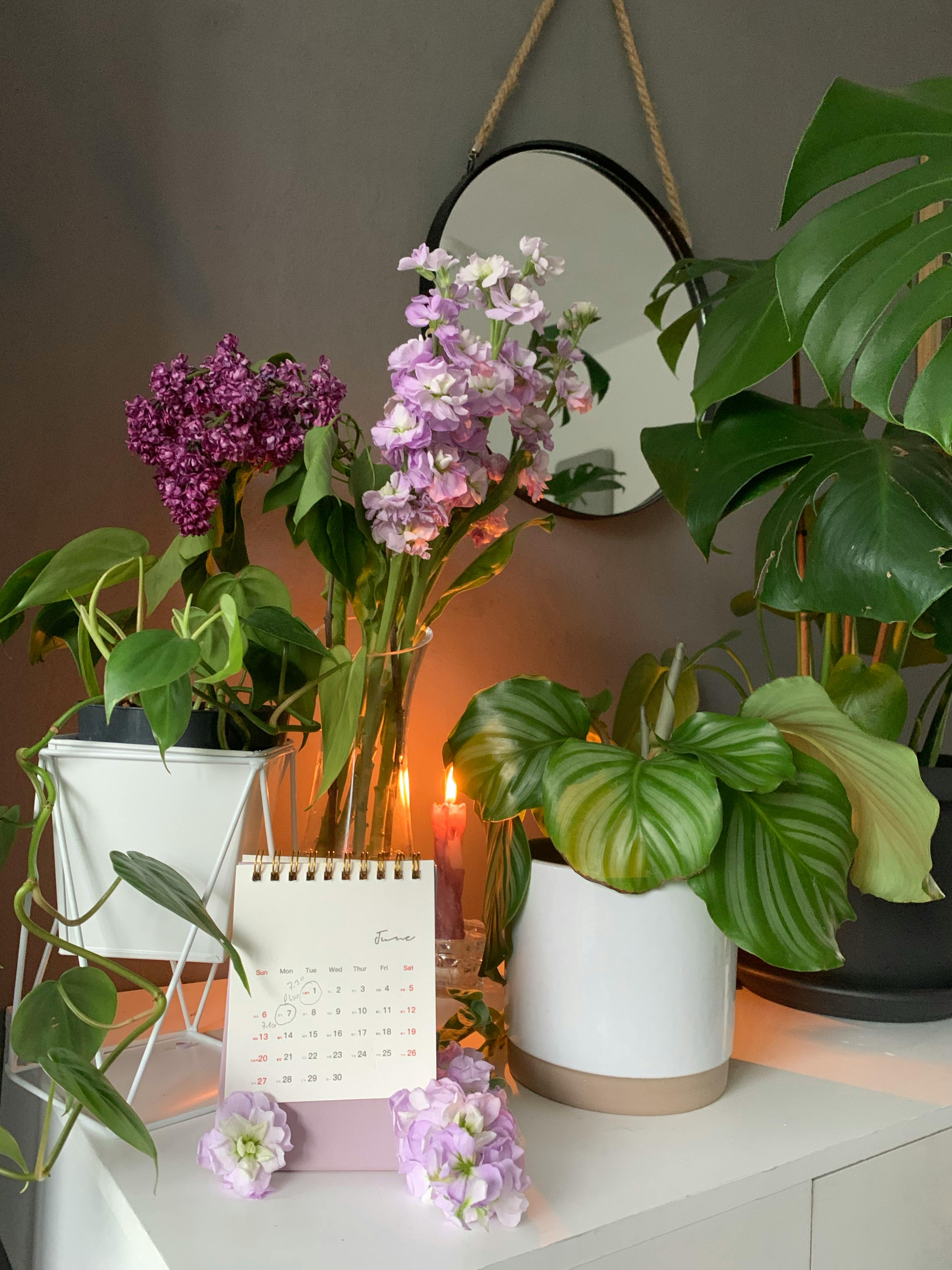
Adjust your snake plant care seasonally. Reduce watering during the cooler months when growth slows. In spring, increase light exposure and resume regular feeding. Seasonal adjustments ensure your plant adapts to changing environments, maintaining its health year-round.
15. Incorporating into Home Decor

Snake plants are not only easy to care for but also enhance your home decor. Their sleek, vertical leaves make them perfect for modern and minimalist spaces. Use them as statement pieces in living rooms, or incorporate them into a plant shelf. Their adaptability makes them a versatile design element.
16. Air Purification Benefits

Snake plants are renowned for their air-purifying abilities. They absorb toxins like formaldehyde and benzene, improving indoor air quality. Place them in bedrooms or living areas to enjoy cleaner air and a healthier living environment. Their natural filtering properties make them a valuable addition to any home.
17. Troubleshooting Growth Issues

If your snake plant isn’t thriving, it might be due to improper care. Yellowing leaves often indicate overwatering, while stunted growth could mean insufficient light. Investigate the plant’s environment and adjust care accordingly. Troubleshooting helps identify issues early, ensuring your plant’s long-term health.
Final Thoughts
Growing snake plants is both rewarding and manageable, even for beginners. By understanding their needs and how to care for them, you can ensure these resilient plants flourish in your home. They offer aesthetic appeal and health benefits, making them a perfect addition to any indoor space. Start your snake plant journey today and enjoy the lush greenery and improved air quality they provide. Remember, with a little care and attention, your snake plant will thrive and become a beloved part of your home.