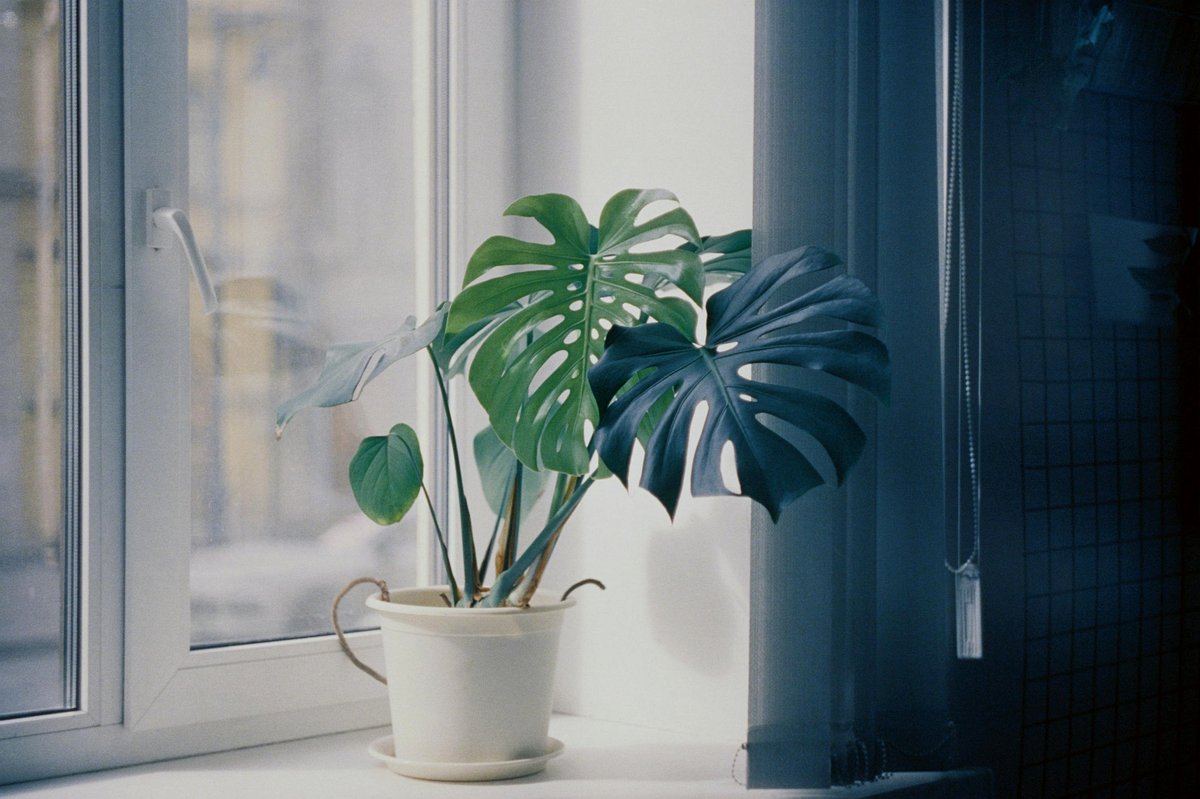
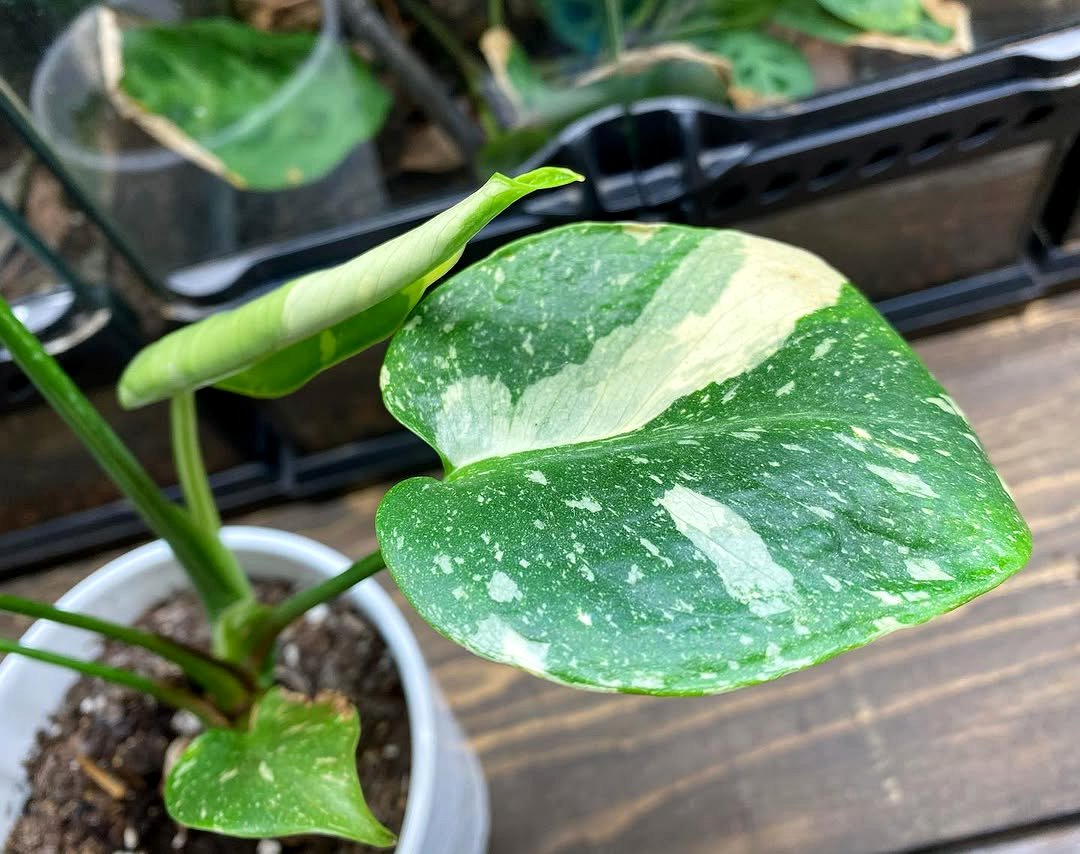
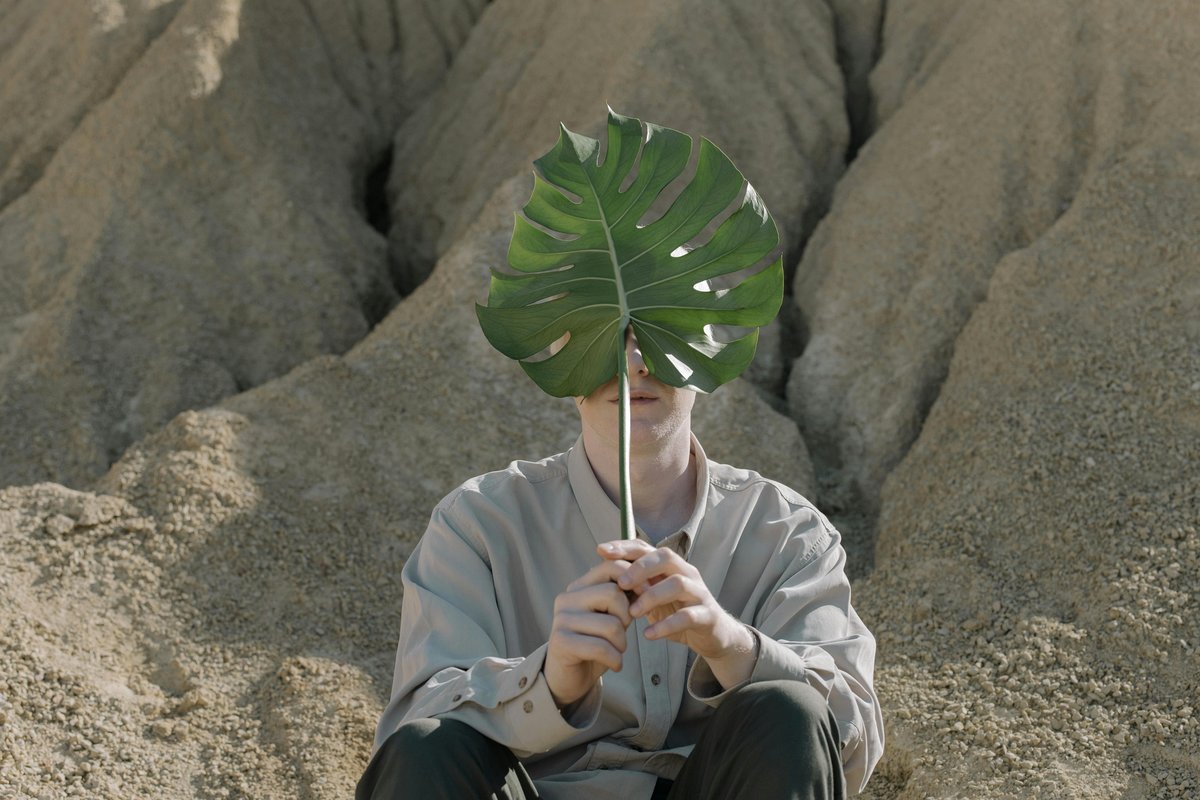
Monstera plants, with their lush foliage and iconic split leaves, are a favorite among plant enthusiasts. Known for their tropical flair, these beauties can transform any room into a lively oasis. But caring for a Monstera isn’t just about occasional watering. It’s about understanding their needs and creating the ideal environment. Whether you’re a seasoned plant parent or a beginner, our guide will provide you with easy-to-follow tips to ensure your Monstera thrives. Dive into these essential care tips and watch your green friend flourish.
1. Choose the Right Light
Monstera plants thrive in bright, indirect light. Direct sunlight can scorch their leaves, while too little light can stunt their growth. Place your Monstera near a window where it can enjoy filtered sunlight. If your space lacks natural light, consider using a grow light. Regularly rotate the plant to ensure even growth and prevent it from leaning toward the light source. Remember, the right light sets the foundation for a happy Monstera.
2. Water with Care
Source: Instagram
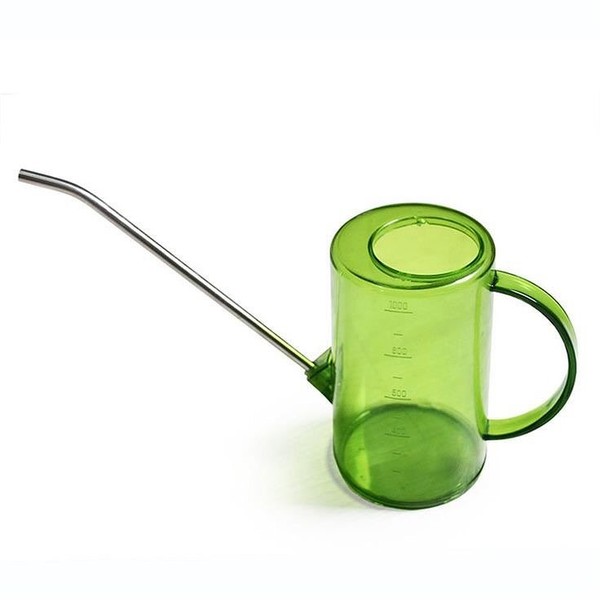
Monstera plants prefer soil that’s consistently moist but not soggy. Overwatering can lead to root rot, while underwatering can cause wilting. A good rule of thumb is to water when the top inch of the soil feels dry to the touch. During the warmer months, your plant may need more frequent watering. Reduce watering in the winter when growth slows. Always use room-temperature water to prevent shocking the roots.
3. Provide Humidity
Source: Instagram
Originating from tropical regions, Monsteras love humidity. If your home has dry air, especially during winter, consider placing a humidifier nearby. Alternatively, mist the leaves regularly or place the pot on a pebble tray with water. Keeping humidity levels high will prevent leaf browning and promote lush growth. Your Monstera will thank you with vibrant, glossy leaves.
4. Select the Right Soil
Source: Instagram
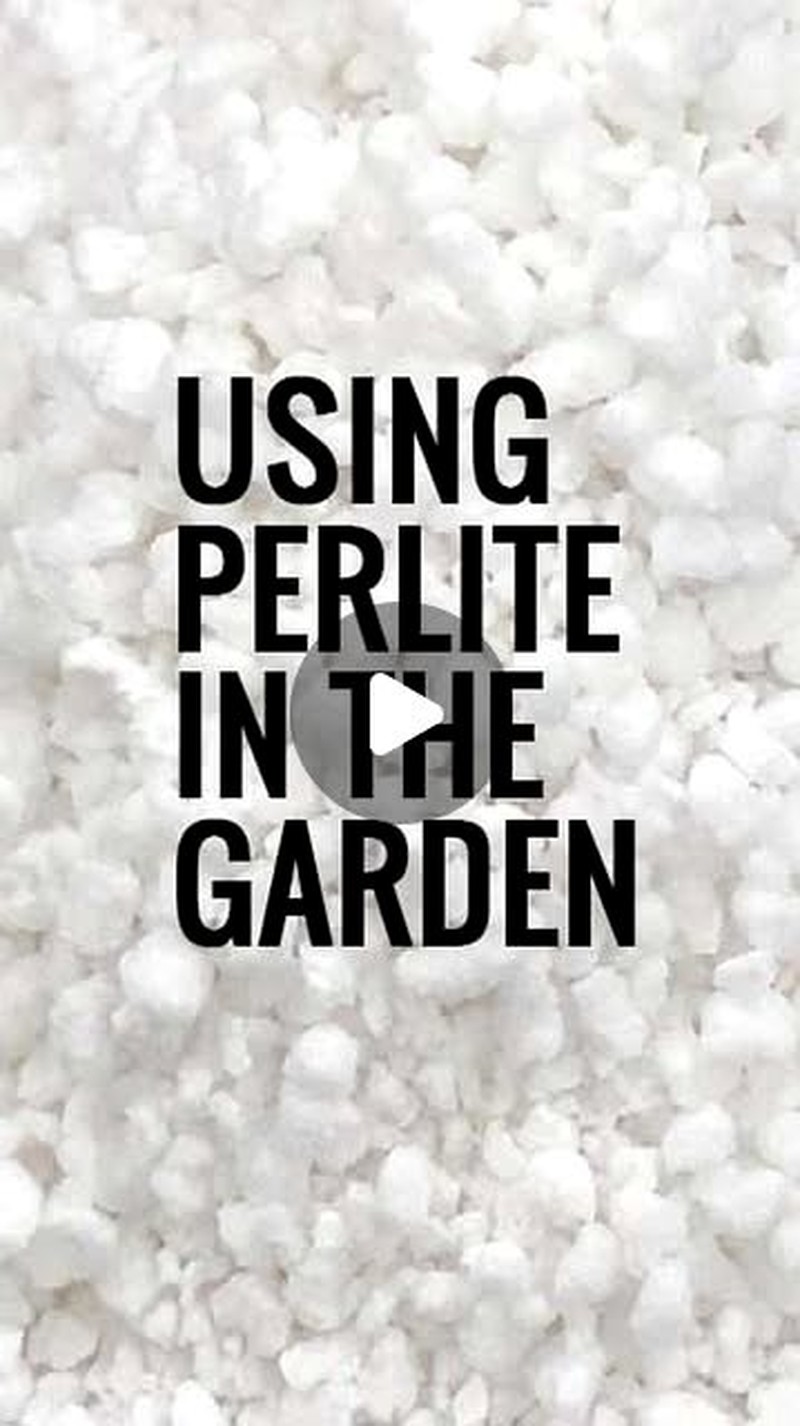
Monsteras thrive in well-draining soil that retains moisture. A mix of peat moss, perlite, and potting soil works best. This combination provides the right balance of drainage and moisture retention. Avoid heavy soils that can become waterlogged. When repotting, choose a pot with drainage holes to prevent water from accumulating at the bottom.
5. Fertilize Regularly
Source: Instagram
To keep your Monstera healthy and encourage new growth, fertilize it every month during the growing season (spring and summer). Use a balanced liquid fertilizer and dilute it to half strength. Reduce feeding during the fall and winter months when the plant’s growth slows. Regular fertilization will ensure your Monstera has the nutrients it needs to thrive.
6. Prune for Health
Source: Instagram
Regular pruning helps maintain your Monstera’s shape and health. Trim any yellow or damaged leaves to encourage new growth. Use clean, sharp pruning shears to prevent disease spread. You can also trim overly long stems to keep the plant compact. Pruning not only improves appearance but also stimulates healthier, denser foliage.
7. Support with a Moss Pole
Source: Instagram
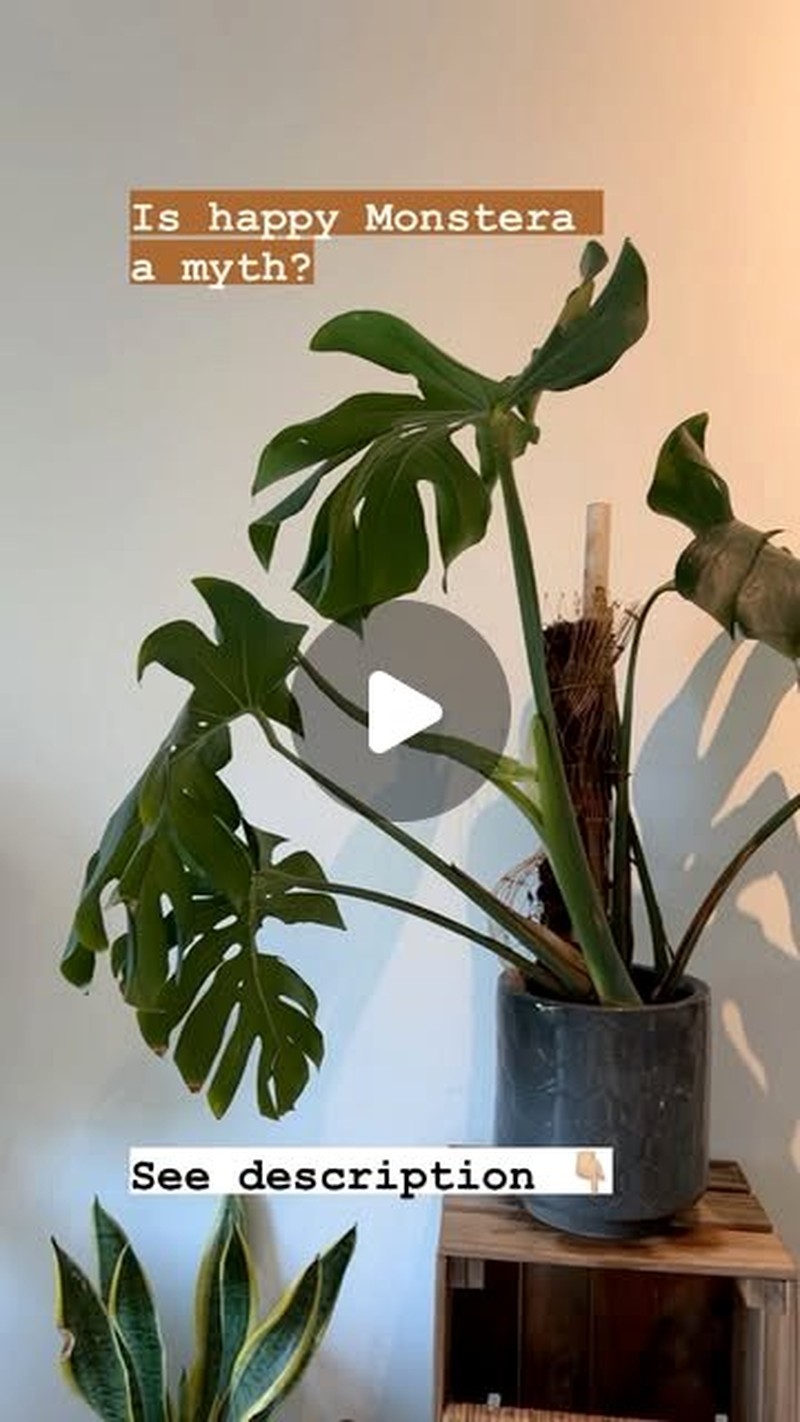
Monsteras are natural climbers. Providing a moss pole offers the support they need to grow upwards. Secure the plant to the pole with plant ties or soft twine. This mimics their natural habitat and helps develop larger leaves with signature splits. As your Monstera climbs, it will transform into a stunning, vertical showpiece.
8. Understand Leaf Splits
Source: Instagram
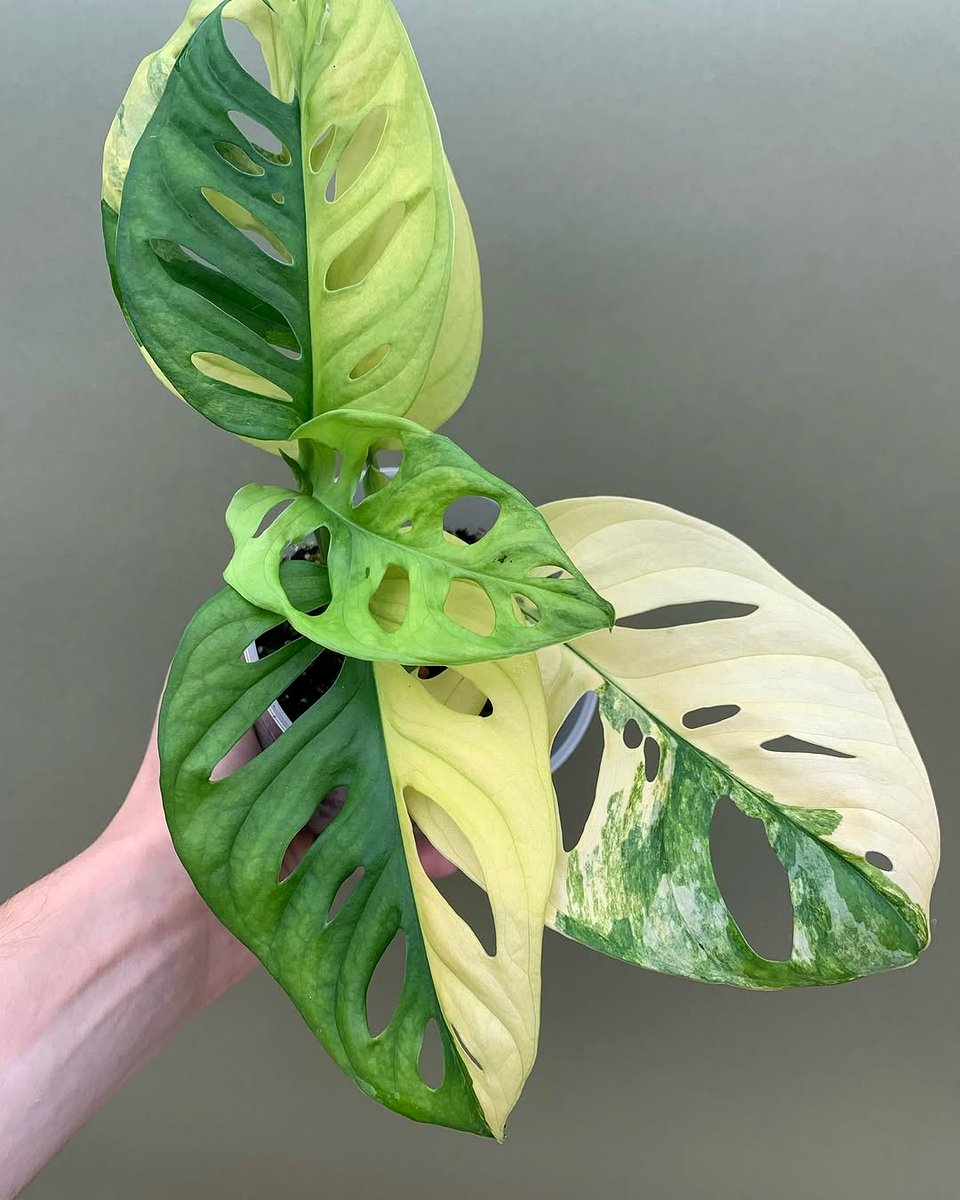
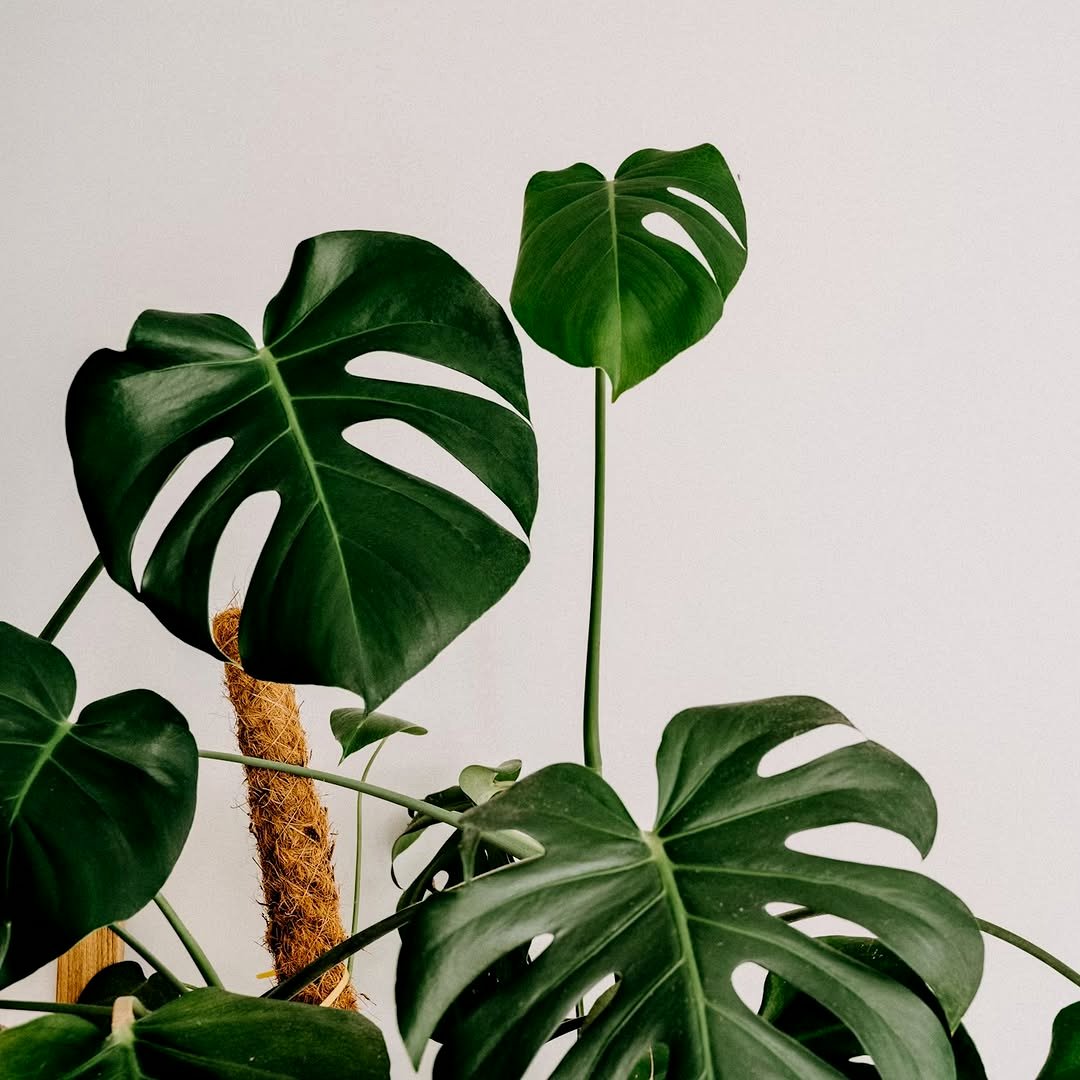
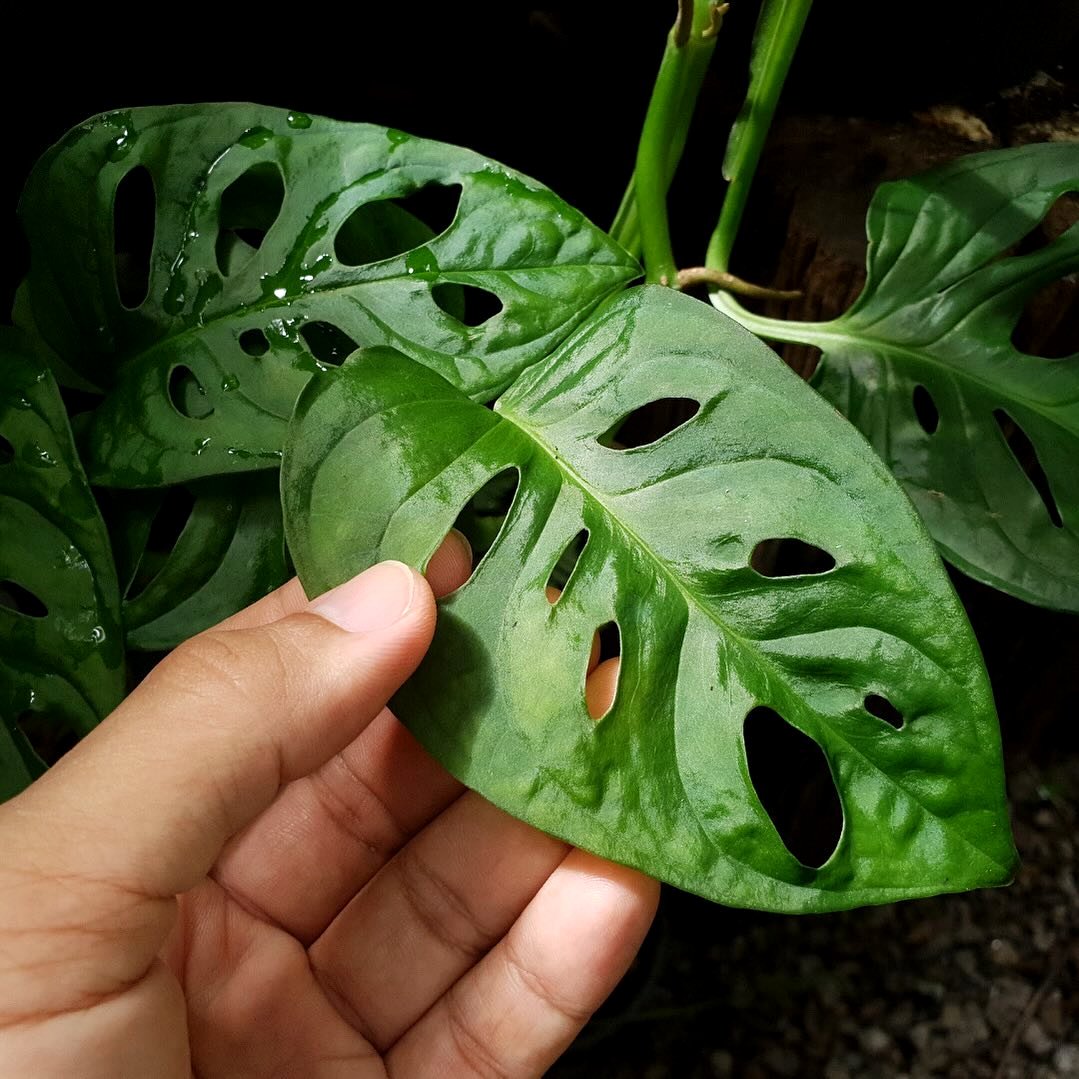
The iconic splits in Monstera leaves, known as fenestrations, are a sign of a mature and healthy plant. These splits allow light to reach lower leaves in their native environment. If your Monstera isn’t developing splits, it may need more light or support from a climbing structure. Patience is key, as fenestrations develop over time with proper care.
9. Repot When Necessary
Source: Instagram
Monsteras grow quickly and may need repotting every couple of years. Look for signs like roots growing out of the drainage holes or stunted growth. Choose a pot 1-2 inches larger in diameter than the current one. Repot in spring or early summer to give your Monstera the best chance to acclimate and continue growing.
10. Monitor for Pests
Source: Instagram
Common pests such as spider mites and mealybugs can affect Monstera plants. Regularly inspect the undersides of leaves for any signs of infestation. Treat with insecticidal soap or neem oil if needed. Maintaining proper humidity and airflow can help deter pests. Early detection and treatment can prevent serious damage.
11. Embrace Aerial Roots
Aerial roots are a natural part of Monstera growth and help the plant climb and absorb moisture. Embrace these roots as part of your plant’s charm. You can tuck them back into the soil or let them dangle. They’re not a sign of distress, but an indication of a healthy, growing plant.
12. Control Temperature
Source: Instagram
Monsteras prefer temperatures between 65-85°F (18-29°C). Avoid placing them near drafts or heat sources like radiators. Sudden temperature changes can stress the plant and cause leaf damage. Keeping a consistent, moderate temperature will ensure your Monstera stays comfortable year-round.
13. Clean the Leaves
Source: Instagram
Dust can accumulate on Monstera leaves, hindering photosynthesis. Use a damp cloth to gently wipe the leaves every few weeks. This not only keeps them looking vibrant but also helps prevent pests. Clean leaves are more efficient at absorbing sunlight and will contribute to a healthier plant overall.
14. Allow for Air Circulation
Source: Instagram
Good air circulation is crucial for Monstera health. It reduces the risk of mold and pest issues. If your plant is in a stagnant area, consider using a fan to move the air around. Be sure to keep the air gentle, as strong winds can damage the leaves. Proper circulation will keep your Monstera thriving.
15. Avoid Toxic Exposure
Monstera plants are toxic to pets if ingested. Keep them out of reach of curious cats and dogs. If you have pets, consider placing your Monstera on a high shelf or in a room they can’t access. Always research plant toxicity before adding new greenery to pet-friendly homes.
16. Encourage New Growth
Source: Instagram
To encourage new growth, ensure your Monstera has adequate light and nutrients. Prune away any old or damaged leaves to make room for new ones. You might also rotate the pot occasionally to ensure even growth. A well-cared-for Monstera will reward you with fresh, vibrant leaves.
17. Be Patient and Observant
Caring for a Monstera requires patience and observation. Learn to read your plant’s signals and adjust care accordingly. Every Monstera is unique, and what works for one might not work for another. By paying close attention to its needs, you’ll create an ideal environment for it to flourish.
Final Thoughts
Caring for a Monstera plant can be a rewarding journey, full of growth and discovery. With these tips, you’ll not only foster a healthy plant but also create a vibrant living space. Remember, each Monstera is unique. Tailor your care approach to meet its specific needs. As you nurture your Monstera, you’ll find joy in the little changes and lush transformations. So roll up your sleeves, get your hands in the soil, and watch your Monstera become the thriving centerpiece of your home. Happy planting!